
Taking down a small structure in Cary is less about the building and more about what's in it, what's under it and where the debris goes. We sort all of that out before the first pull, and we've done enough Wake County tear-downs to know what to look for.
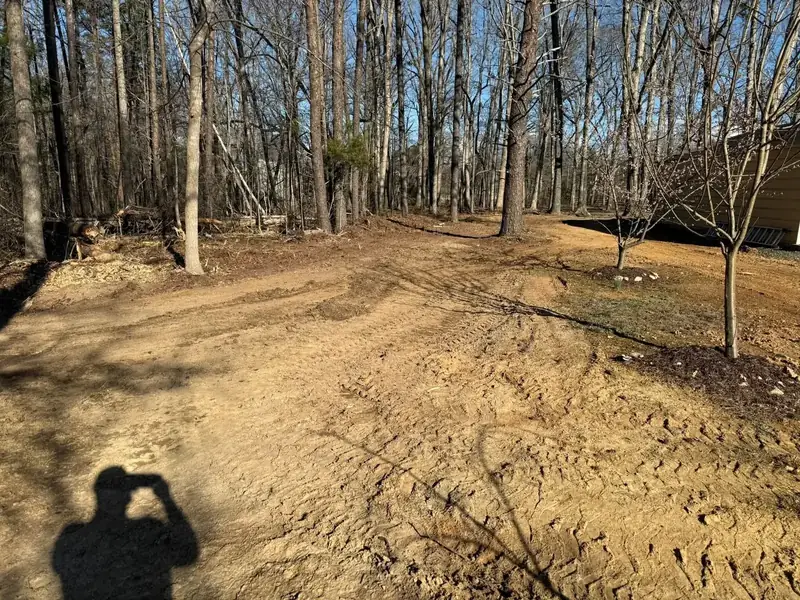
A lot of Cary demolition is the first step toward something new — a shop pad where the old shed was, a lawn where the barn stood. We take the structure down and then grade and compact the footprint in the same visit, so the ground is ready and not just empty.
Cary ground conditions and how they shape small demolition
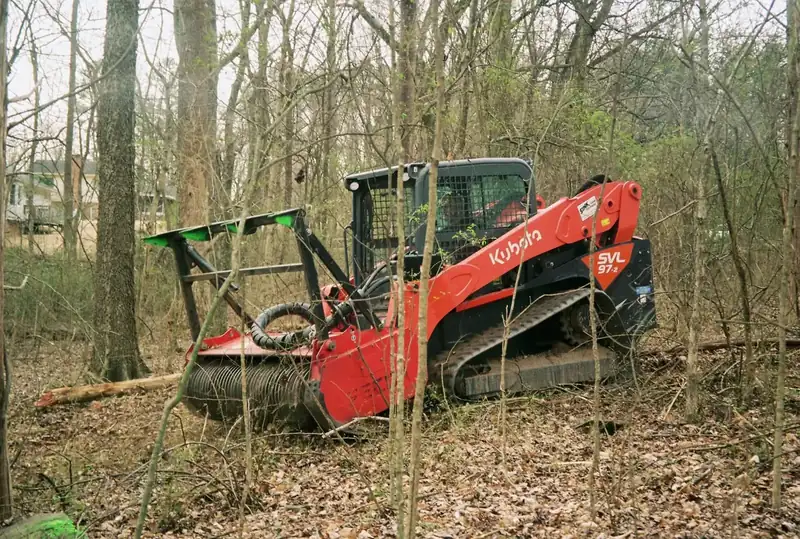
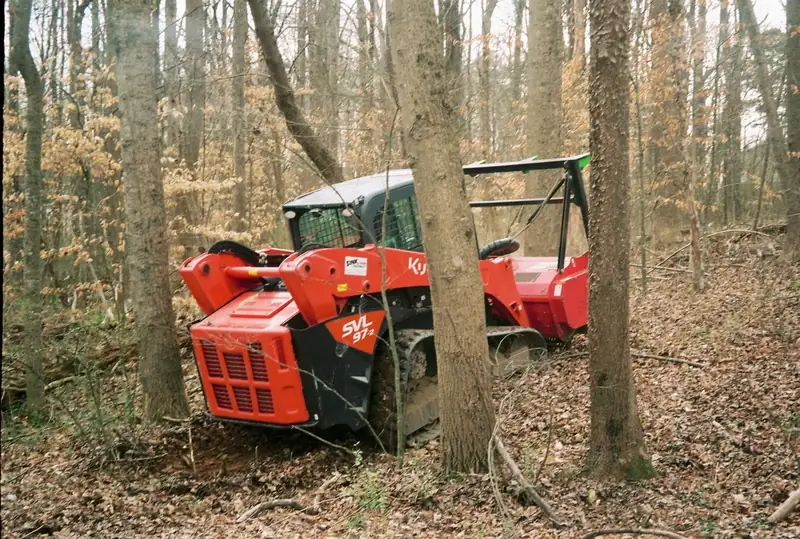
Cary's tree-preservation ordinance is one of the strictest in the state — champion trees, tree-save areas on any site plan, and a permit before clearing on most lots over a threshold size. Wake County erosion control applies at one disturbed acre, and the west side is in the Jordan Lake watershed with 50-foot buffers while the east drains to the Neuse basin with its own buffer rule. We get the town's land development staff involved early on anything bigger than a backyard. The Triassic clay west of NC-55 waits for dry weather before we grade it.
Around Carpenter Fire Station Road, Lochmere and Black Creek Greenway, the properties we're usually called to look like this:
- Five- to ten-acre tracts on the Jordan Lake side toward New Hill with buffer-limited clearing
- Estate lots in MacGregor Downs, Lochmere and the Preston area wanting understory mulched and invasive vines removed
- Commercial outparcels along NC-55, NC-54 and US-64 needing stumps pulled and rough grading
What small demolition jobs look like around Cary
A typical Cary call for small demolition looks like this: Five- to ten-acre tracts on the Jordan Lake side toward New Hill with buffer-limited clearing. We've handled that exact situation around Black Creek Greenway and I-540 more times than we can count.
The other common one is Abandoned mobile home frames and pads, which usually means a tighter work area and more care around what stays.
If your property is somewhere in between, send the address and we'll tell you which side of the line it falls on.
Neighbors in Pittsboro, Durham and Sanford call us for the same work; Cary sits right in the middle of that route.
Why Cary property owners call A&R
The owner takes down your Cary structure. Clark is a veteran and a working firefighter, and he's spent plenty of time around collapsed buildings professionally. He knows how they come apart and how to do it safely.
Ready to lose the old shed? Contact A&R Land Services for small demolition anywhere in Wake County. Free estimates.
Small Demolition in Cary: questions
Will you remove the concrete slab?
If you want it gone, yes. The excavator breaks it up and we haul it to a fill site or crush and reuse it as driveway base if you have a place for it. If you're building something new on the same spot, the old slab usually has to come out so the new pad can be compacted properly. If it's going back to grass, some people leave it and cover it; we'll talk through the options.
What about asbestos in old buildings?
Buildings from before the mid-1980s can have asbestos in siding, roofing, floor tile or pipe wrap. If your structure is that age, it needs an asbestos survey, and if any is found, a licensed abatement contractor removes it before we demolish. We don't do abatement, and we won't tear into a building that hasn't been checked.
How far is A&R Land Services from Cary?
We're based in Greensboro, about 1 hour 15 minutes from Cary. Wake County is inside the radius we work every week, so there's no long-haul mobilization charge built into your estimate.
Do you handle small demolition near Carpenter Fire Station Road and Lochmere?
Yes. We work throughout Cary and the surrounding Wake County area, including properties around Carpenter Fire Station Road, Lochmere and Black Creek Greenway. If you're outside the town limits, send the address and we'll confirm it's in range.
What does small demolition typically involve on a Cary property?
Chicken houses and small livestock structures is the most common version of it around Cary. A written scope: what comes down, how debris is sorted and where it goes, whether the slab or piers come out, and how the ground is left. Haul-off priced by the load. Landfill and disposal fees for the material type is the factor that moves the price most on Wake County jobs, and we'll walk through it with you on site.