

Most drainage problems in the Triad come down to one thing: our red clay doesn't let water in. Cecil and Appling soils can sit under a puddle for days after a heavy rain because the water has nowhere to go but sideways. If sideways happens to be toward your foundation, your crawlspace, your driveway or your neighbor's fence line, you've got a problem that gets a little worse every storm. Yard drainage is the work of giving that water a better path and making sure it takes it.
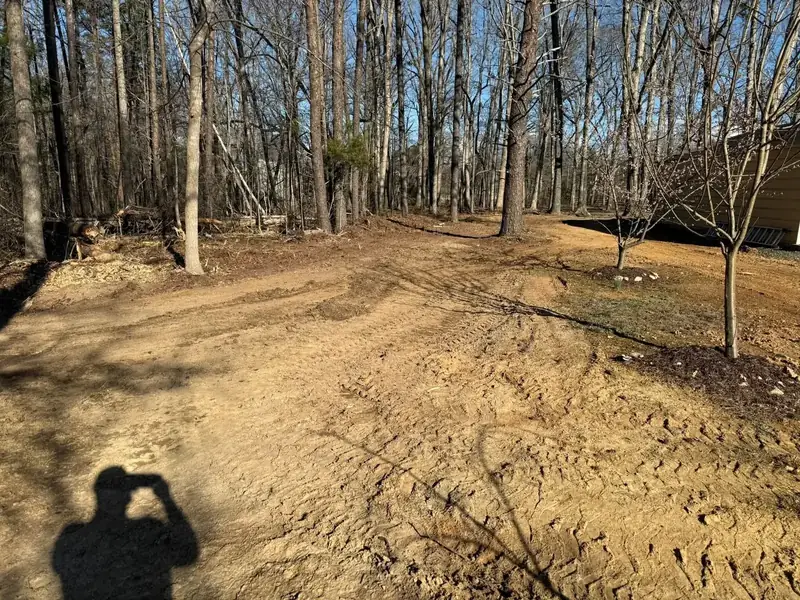
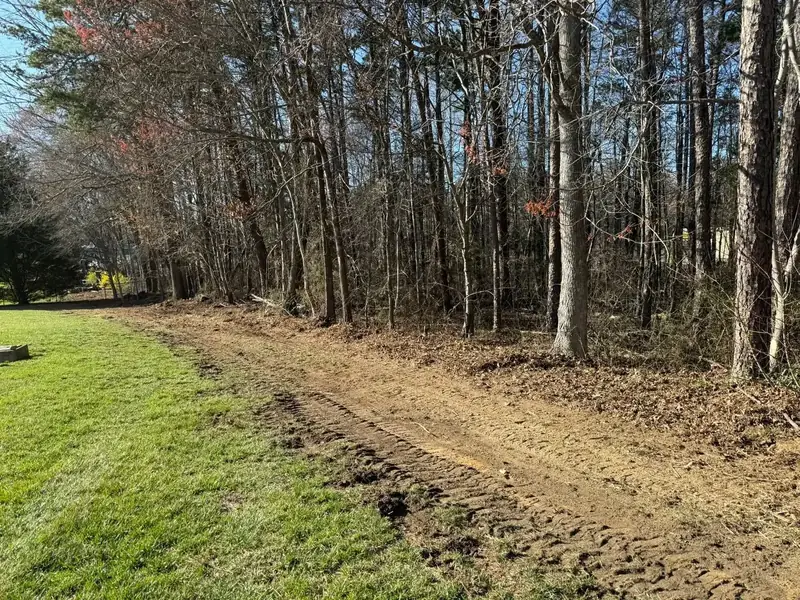
We fix drainage with dirt and pipe, in that order. A surprising number of wet yards are solved by regrading so the surface actually slopes away from the house and toward a swale or ditch that goes somewhere. When grading alone can't carry it — low spots with no outlet, water coming off a hillside, downspouts dumping against the foundation — we add French drains, catch basins and solid pipe to carry it underground to daylight. We size the fix to the problem, not to the biggest invoice we can write.
Clark is a veteran and a working firefighter, and he's the one who walks your yard after a rain, finds where the water is actually coming from, and runs the machine that fixes it. You deal with one person from the estimate to the final grade, and the estimate is free.
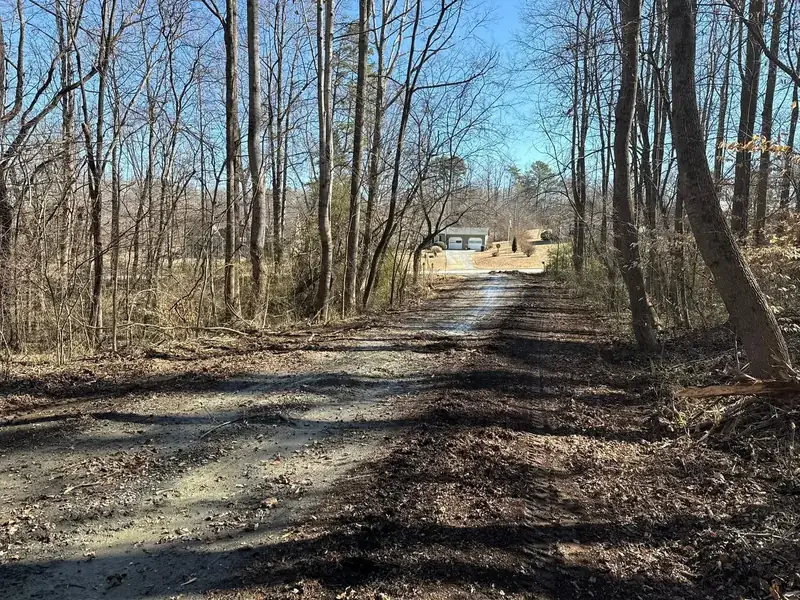
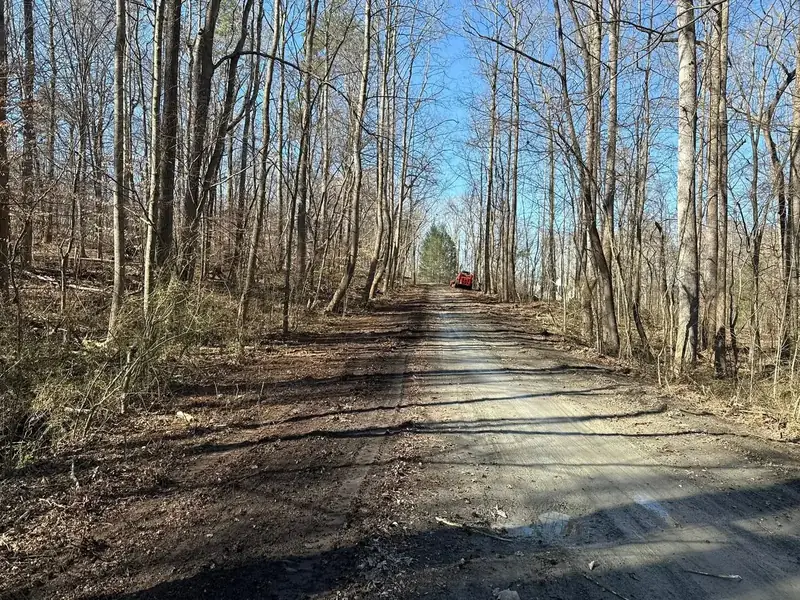
How drainage works on Piedmont ground
Drainage work starts with reading the water. Where does it enter the property, where does it collect, and where could it legally and practically leave? On a typical Piedmont lot the answers are a hillside above the house, a low corner of the backyard, and a roadside ditch or a creek. Everything we build is a path between those points. Surface solutions — regrading, swales, berms, crowned lawns — handle the bulk of rain cheaply because they move water on top of the clay instead of trying to push it through. Subsurface solutions — French drains, drain tile, solid pipe, catch basins — handle what surface grading can't reach.
A lot of what we do is undoing bad fixes. A dry well dug into clay just becomes a buried bucket that stays full. Perforated pipe laid flat with no outlet fills with silt in two seasons. A gutter extension that dumps six feet from the house still leaves the water against the footing on a lot that slopes back toward it. We look at the whole lot and the fall available to a real outlet, then pick the combination that moves water downhill and off the property with gravity doing the work, since pumps fail and gravity doesn't.
Where the water goes matters, legally and practically. In North Carolina you generally can't redirect concentrated runoff onto a neighbor in a way that damages them, and discharging into a stream or wetland buffer has rules. Most residential fixes outlet to a roadside ditch, an existing swale, a wooded low area on your own land or a pop-up emitter in the lawn. We'll tell you which option works for your lot before we quote, and we call 811 before any trenching so we know where the gas, power and fiber are.
What the job looks like
Walk it, ideally wet
The best time to look at a drainage problem is during or right after a rain. We trace where water enters, where it pools, where it exits, and measure how much fall there is to a usable outlet.
Design the path
Surface grading first wherever it can do the job, then pipe and drains for what's left. You get a written scope with the route, the outlet, the materials and the price before anything is dug.
Locate utilities
We call 811 and wait for the marks before trenching. Private lines like septic, well lines and irrigation aren't marked by 811, so we ask you about those and probe where needed.
Build it
Regrade with the box blade or grading blade, cut trenches with the mini excavator, lay pipe and stone, set basins and emitters, and backfill. Pipe is laid with fall checked, not eyeballed.
Restore and test
Topsoil and seed or straw over disturbed ground, and we'll be back after the next real rain if anything needs adjusting. A drain that works on paper and not in a storm isn't finished.
Best fit for
- Backyards that hold standing water for days after rain
- Water pooling against foundations, crawlspace vents or garage slabs
- Downspouts that dump into flat clay yards with nowhere to drain
- Lots that slope toward the house instead of away from it
- Soggy spots that kill grass and swallow the mower
- Water coming off a neighbor's hillside onto your property
- Driveways and walkways that flood or ice over in winter
What drives the price
We don't quote drainage from a chart. These are the things that move the number, and we'll walk through each one with you on site:
- Whether grading alone solves it or pipe and drains are needed
- Total length of trench and pipe to reach a working outlet
- How much fall is available — flat lots take more design and more material
- Amount of #57 stone and fabric for French drain sections
- Obstacles in the path: tree roots, fences, patios, buried utilities
- Restoration — seed and straw vs. sod vs. hardscape repair
- Distance from Greensboro for mobilization
Equipment we bring
- Mini excavator with thumb for trenching and setting pipe
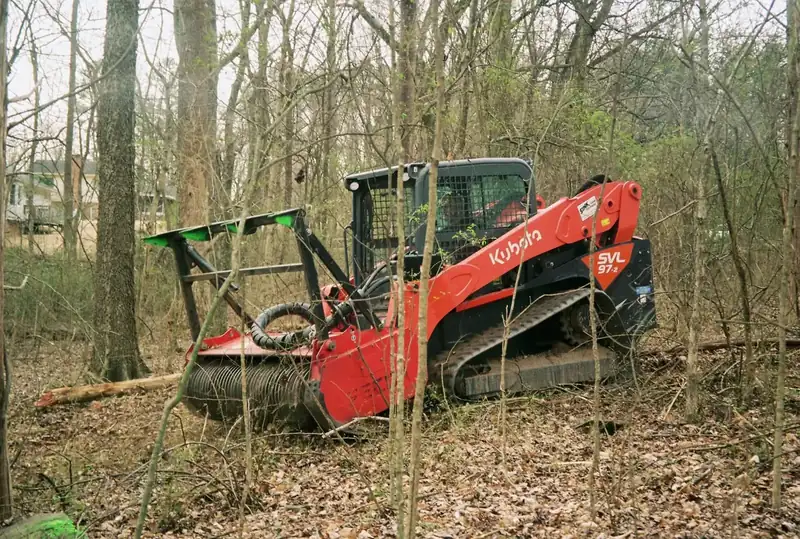
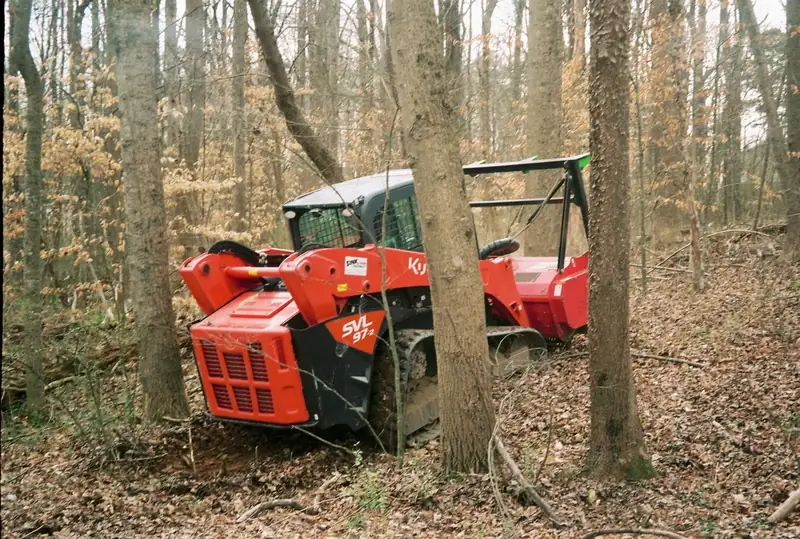
- Compact track loader with grading blade and box blade for regrading and swales
- Stump bucket and root rake for pulling obstructions out of the drain path
- Dump trailer for hauling in stone and pipe and hauling out spoils
Drainage questions
How much does it cost to fix yard drainage in NC?
The spread is wide because the fixes are so different. Regrading a low spot and cutting a swale is a few hours of machine time. A full French drain system with catch basins, a hundred-plus feet of pipe and a daylight outlet is a multi-day job with a lot of stone and pipe in it. We quote after walking the lot and finding the outlet, and the estimate is free. We'll always tell you if a cheaper surface fix will do the job.
Why does my yard stay wet for days after it rains?
Red clay. The Cecil and Appling soils across the Piedmont have very slow infiltration rates, so rain that falls on a flat yard just sits until it evaporates. The fix is almost never to try to make the clay absorb more — it's to give the water a surface slope or a pipe so it leaves instead of waiting.
Will a French drain work in clay soil?
Yes, if it's built with an outlet. A French drain in clay is a collector, not a soak-away — it gathers water into the stone and pipe and carries it downhill to daylight, a ditch or a basin. The ones that fail are the ones laid flat with no place for the water to go.
Can you fix water getting into my crawlspace?
Usually. Most crawlspace water in this area is surface water coming in from a yard that slopes toward the house or downspouts discharging at the foundation. Regrading to pitch away from the house, extending downspouts underground to daylight and a curtain drain on the uphill side solves the large majority of cases. If the water is coming up from a high water table, that's a different conversation.
Do I need a permit for drainage work?
For routine residential grading and drain installation on your own lot, generally no. You do need to stay out of stream buffers, avoid pushing concentrated water onto a neighbor, and in some towns there are stormwater rules if you're connecting to the street system. We'll flag anything that applies to your property.
What areas do you cover for drainage work?
We're based in Greensboro and work the whole Triad plus about an hour and twenty minutes in every direction — up to the Virginia line, west to Mount Airy and Elkin, south to Salisbury, Albemarle and Sanford, east to Durham, Chapel Hill and Raleigh.