

Red clay erodes fast once it's bare. One cleared slope, one construction site left open through a summer of thunderstorms, one driveway ditch with no outlet, and you've got a gully that gets deeper every rain and a load of silt heading for the nearest creek. Erosion control is the work of slowing water down, spreading it out and getting cover back on the ground before the damage compounds. The earlier it's done, the cheaper it is.
We handle erosion problems across the Triad for homeowners, farms and small builders: washed-out slopes behind houses, gullies cutting through pasture, bare lots that are losing topsoil, driveways turning into creeks, and banks slumping along ponds and ditches. The fix is usually a combination of regrading to remove the channels that concentrate water, building swales and berms to redirect it, armoring the places that have to take flow with riprap or stone, and getting mulch, seed and straw down on everything bare.
Clark is a veteran and a working firefighter and he runs the machines on every job. He'll tell you which part of your problem is a grading fix, which part needs stone, and which part just needs cover and time. Free on-site estimates, and we'll walk the slope with you so you can see where the water is actually going.
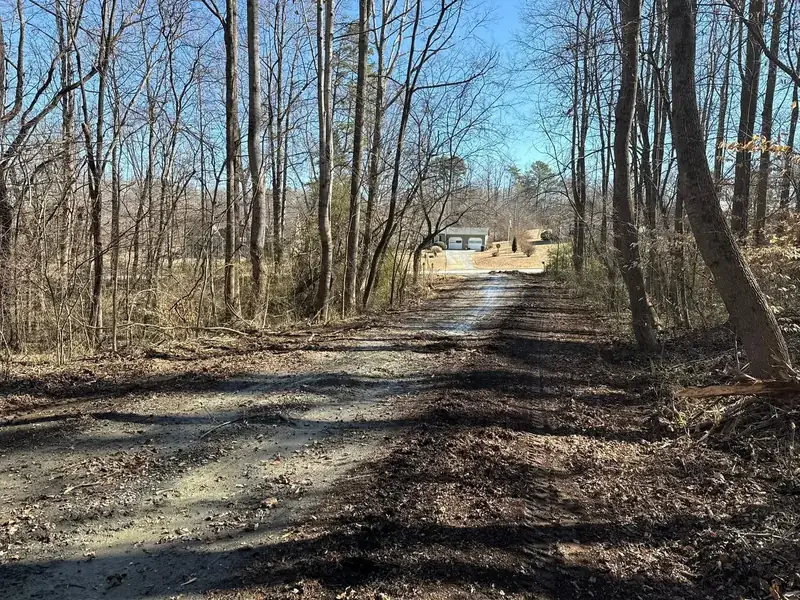
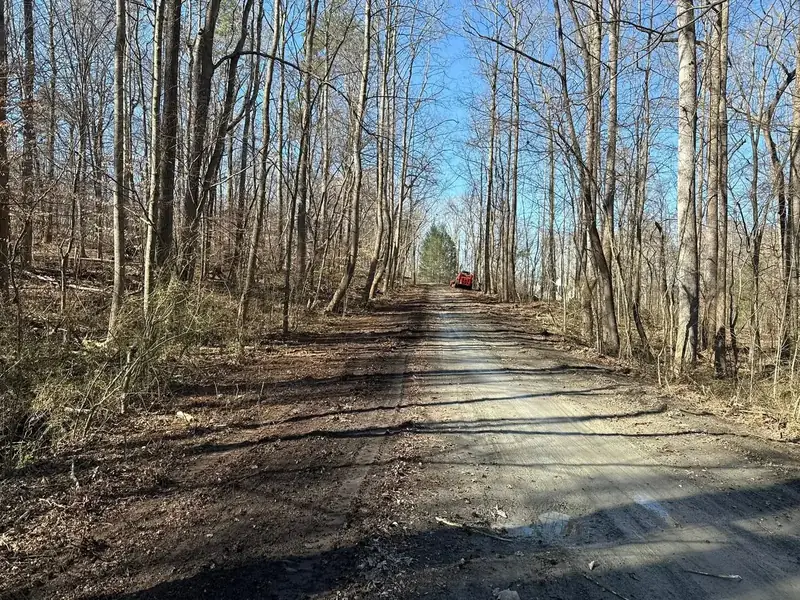
How erosion control works on Piedmont ground
Erosion in the Piedmont has a predictable pattern. Cecil and Appling soils have a thin topsoil layer over dense clay that sheds water instead of absorbing it. Once the topsoil and the plant cover are gone — from clearing, grading, a burn, livestock, or just a bad slope — rain concentrates into rills, rills become gullies, and the gullies carry the clay downhill into whatever's below: a yard, a driveway, a pond, a neighbor's property or a stream. Fixing it means breaking that cycle at every step: get the water spread out instead of concentrated, slow it down with slope and cover, and armor the places where it has to run.
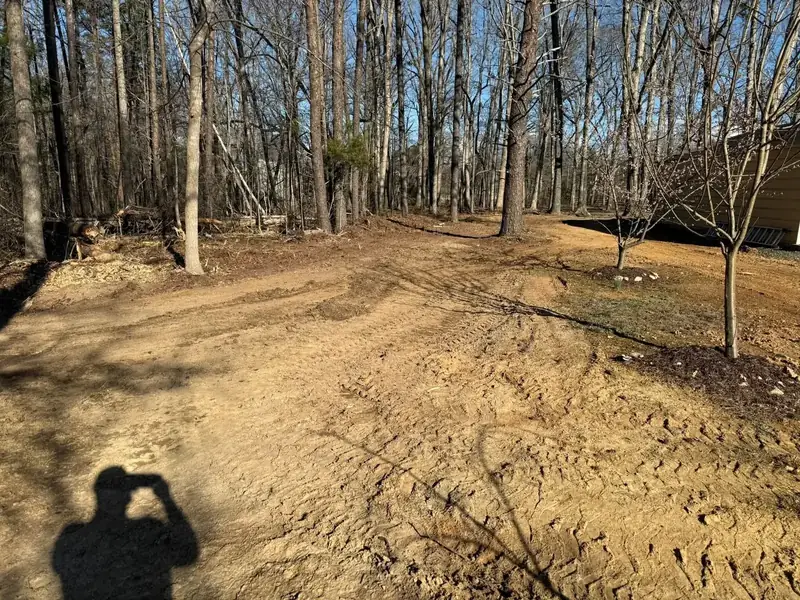
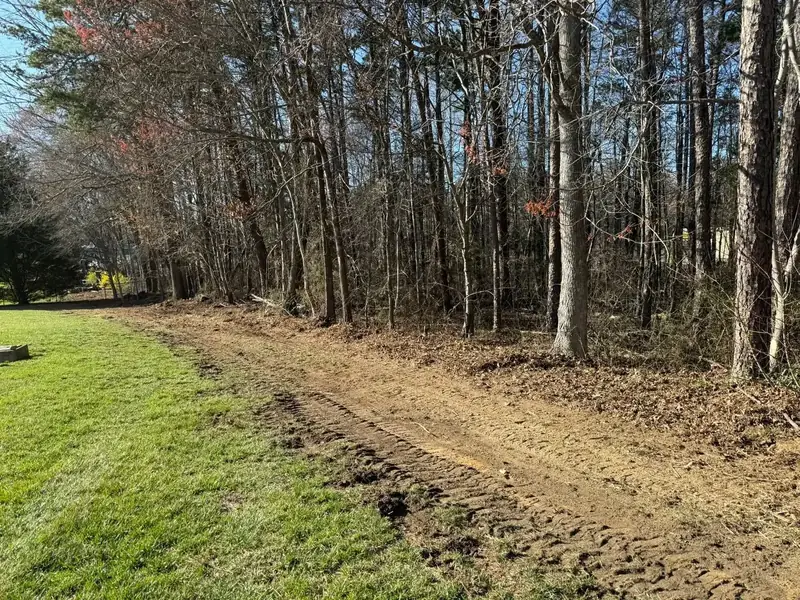
The machine work comes first. We fill and reshape gullies so the slope sheds water as a sheet instead of a stream, cut diversion swales across the slope to catch runoff and carry it sideways to a stable outlet, build berms where water needs to be held back, and flatten slopes that are too steep to hold cover. Where water must concentrate — a ditch, a swale outlet, a pipe end, a pond spillway — we line it with riprap or stone so it can't cut. On larger slopes we'll build check dams and terraces to break the slope length into segments.
Then the ground gets covered. Bare clay stays bare without help, so every disturbed area gets seed and straw, mulch, or forestry mulch spread back over it. On cleared land, leaving the mulch layer in place is the single best erosion control there is. Where a stream buffer runs through the property, we work from the top of the slope down and keep the buffer vegetated. If the disturbed area is over an acre, North Carolina's sediment and erosion control rules apply and a plan has to be filed — we'll tell you if you're in that territory before we start.
What the job looks like
Walk the slope after rain
We trace where water concentrates, where it's cutting, and where it ends up. Most erosion problems start uphill of where the damage shows, so we look at the whole drainage path.
Plan the fix
Grading to remove channels and reshape the slope, swales or berms to redirect runoff, stone where flow has to concentrate, and cover for everything bare. You get a written scope and price.
Reshape
Fill gullies, flatten over-steep sections, cut diversions and build berms with the track loader and excavator. Grade is set so water sheets off instead of channeling.
Armor and cover
Riprap or stone in ditches, outlets and spillways. Seed, straw and mulch on everything disturbed, with erosion blanket on steeper slopes where seed alone won't hold.
Check after a storm
We come back after the first heavy rain to make sure the water is going where it's supposed to and touch up anything that moved. Erosion work is only done when it's been tested.
Best fit for
- Slopes behind houses that wash out every heavy rain
- Gullies cutting through pasture, lawns and wooded lots
- Freshly cleared or graded land losing topsoil
- Driveway and road ditches that are cutting deeper each season
- Pond banks, dam faces and spillways that are slumping
- Bare lots waiting on construction through the storm season
- Property above a creek that needs to stop sending silt downstream
What drives the price
We don't quote erosion control from a chart. These are the things that move the number, and we'll walk through each one with you on site:
- Size and depth of the gullies or washed areas being repaired
- Length of diversion swales, berms and terraces needed
- Amount of riprap, stone and fill brought in
- Steepness and how hard the slope is to work safely with equipment
- Cover type — seed and straw vs. erosion blanket vs. mulch
- Whether the disturbed area triggers a state erosion control plan
- Access and distance from Greensboro
Equipment we bring
- Compact track loader with grading blade, box blade and dozer blade for reshaping slopes and swales
- Mini excavator with thumb for gully repair, diversions and placing riprap
- Root rake for cleaning debris off slopes before regrading
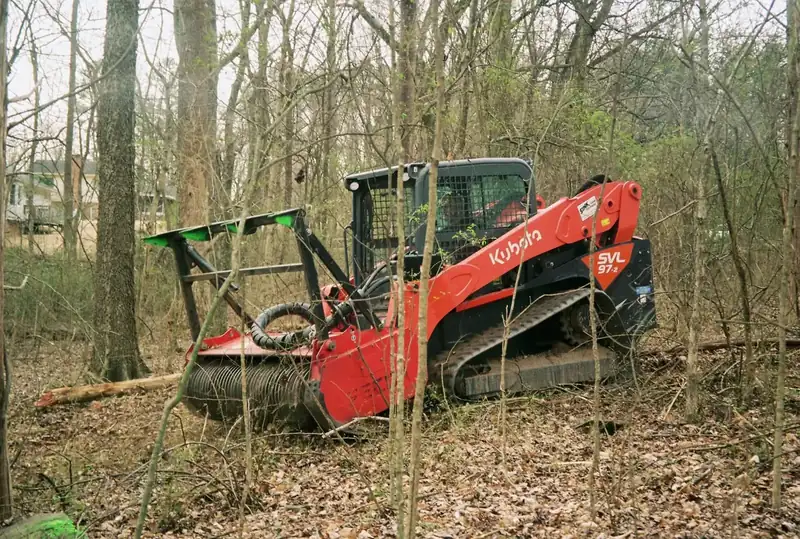
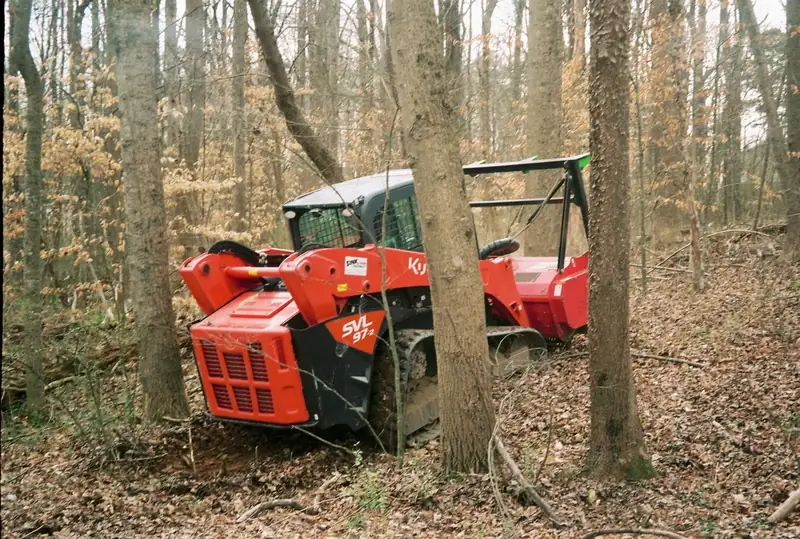
- Forestry mulcher where brush needs to be ground into protective cover
- Dump trailer for hauling in riprap, stone and topsoil
Erosion Control questions
How much does erosion control cost?
It ranges from a few hours of grading and a bale of straw to a multi-day job with truckloads of riprap and a full slope rebuild. The main factors are how big the washed area is, how much stone has to be brought in and how steep the ground is. Catching it early is far cheaper — a six-inch rill is a grading fix, a four-foot gully is an excavation job. Estimates are free.
How do I stop erosion on a slope in red clay?
Three things, in order: keep water from concentrating on the slope by diverting it at the top, reshape the slope so what does run sheets off instead of channeling, and get cover on the clay — seed and straw, mulch or erosion blanket. Clay only erodes when it's bare and water is moving fast. Fix those two conditions and it stops.
Can you fix a gully in my yard or pasture?
Yes. We fill the gully with compacted fill, reshape the area so water doesn't concentrate there again, divert the runoff that caused it to a stable outlet, and cover the repair with seed and straw or mulch. If the gully is carrying a lot of water, the bottom gets lined with stone so it holds.
Do I need a permit for erosion control work in NC?
For small repairs on your own property, no. North Carolina's Sedimentation Pollution Control Act kicks in when you disturb more than an acre, and that requires an erosion and sediment control plan approved by the state or your county. Work inside a stream buffer has its own rules. We'll tell you if your project crosses either line.
What's the best erosion control after land clearing?
Leave the mulch. Forestry mulching puts a layer of wood chips on the ground that holds moisture, breaks the impact of rain and keeps the clay from moving. If you need bare ground for building, seed and straw it immediately and cut a diversion above the pad so runoff doesn't cross the disturbed area.
What areas do you work in for erosion control?
Greensboro and the whole Piedmont Triad, plus about an hour and twenty minutes in every direction — the Virginia line to the north, Mount Airy and Elkin to the west, Salisbury, Albemarle and Sanford to the south, and Durham, Chapel Hill and Raleigh to the east.