

A French drain is a trench filled with washed stone around a perforated pipe, wrapped in filter fabric, laid on a slope toward an outlet. That's the whole idea and it's been working for 150 years. What makes one work in Piedmont clay versus fail in two seasons is the details: the fall on the pipe, the stone size, whether the fabric is around the stone or just under it, and above all whether the water has somewhere to go when it reaches the end of the pipe.
We build French drains and curtain drains for homeowners across the Triad who have water in the crawlspace, a soggy strip along the back of the house, a hillside sending groundwater at the foundation or a low spot in the lawn that never dries. The mini excavator cuts a clean, consistent trench; we lay fabric, pipe and #57 stone with the grade checked; and we daylight the outlet somewhere the water can leave without causing a new problem.
Clark runs the excavator himself. He's a veteran and a working firefighter, and the drains he builds are the ones he'd want under his own house — fabric wrapped, fall confirmed, outlet open. Free on-site estimates, and we'll tell you honestly if a French drain is the right fix or if your problem needs regrading instead.
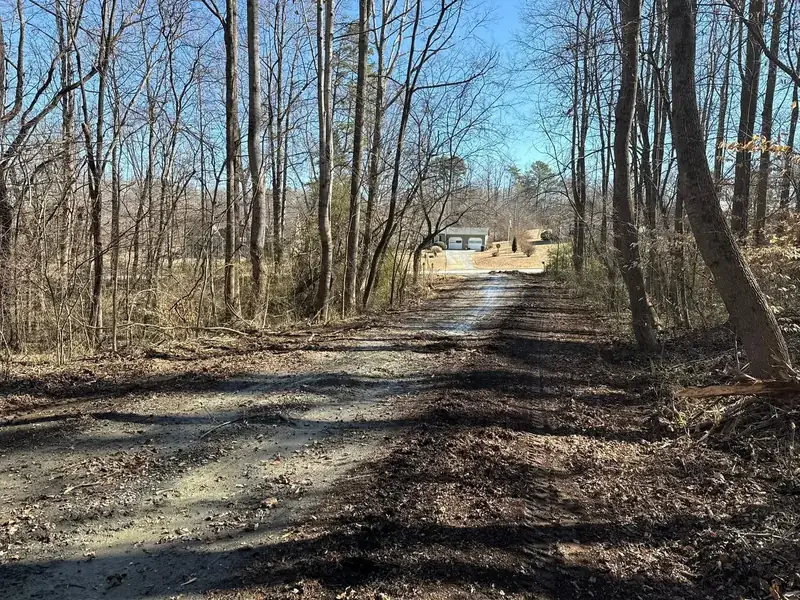
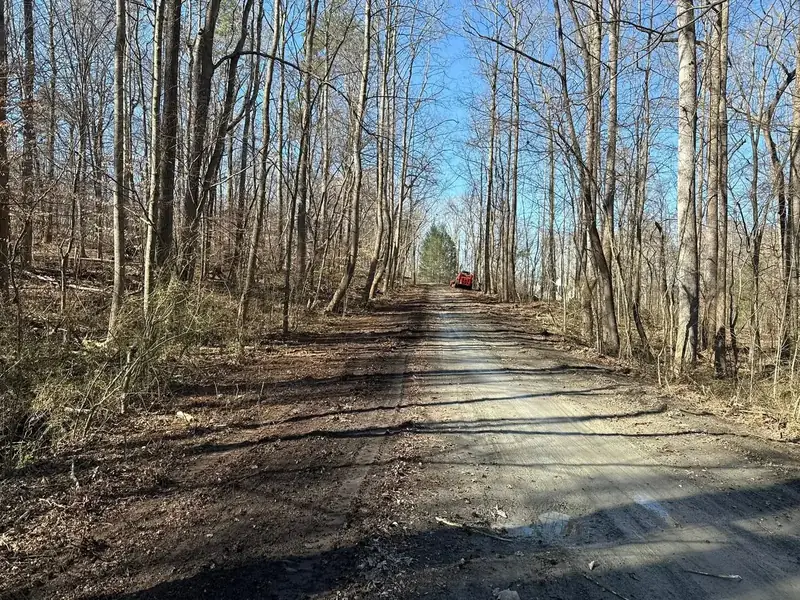
How french drains works on Piedmont ground
There are a few kinds of trench drain and the names get thrown around loosely. A classic French drain is a perforated pipe in a stone-filled trench that intercepts groundwater and surface water soaking down through the soil. A curtain drain is a French drain placed on the uphill side of a house, driveway or septic field specifically to cut off water moving downhill through the ground before it reaches what you're protecting. A footing drain runs along the foundation at footing depth. A surface or channel drain catches sheet flow at grade. Most residential jobs in the Triad are curtain drains or French drains in the lawn, with solid pipe carrying the collected water to an outlet.
In our red clay, the drain works as a collector, not as a soak-away — the water has to leave through the pipe. So the trench is cut with consistent fall, usually a minimum of one percent, toward an outlet at daylight, a drainage ditch or a catch basin that connects to something. We line the trench with non-woven filter fabric, lay the pipe on a bed of #57 washed stone, fill the trench with stone, and wrap the fabric over the top before backfilling. Fabric keeps the clay fines out of the stone so the drain doesn't silt shut. Skip it and you've built something that works for about two years.
What a French drain won't do is fix a yard that slopes toward the house. If surface water is running at the foundation, the first fix is regrading; a drain can supplement that but it can't replace it. It also won't drain a true high water table without a pump. On the site walk we look at where the water is coming from — surface, downspouts, groundwater on a hillside — and recommend the drain only where it's the right tool. We call 811 before every trench.
What the job looks like
Find the source and the outlet
We look at the wet area, where the water enters it and how much fall there is to a place it can leave. If there's no outlet, we talk about alternatives before anyone digs.
Lay out the run
Flag the trench line, mark the outlet and basin locations, and call 811. We'll ask about septic, well and irrigation lines since the locate service doesn't mark private utilities.
Trench on grade
The mini excavator cuts the trench to the designed depth with fall checked along the run. Spoils go on the trailer or get spread on site, whichever you prefer.
Fabric, pipe, stone
Non-woven fabric lines the trench, perforated pipe goes in on a stone bed, #57 washed stone fills to within a few inches of grade, and the fabric wraps over the top. Solid pipe carries water from the drain to the outlet.
Backfill and restore
Topsoil over the fabric, seed and straw or sod, pop-up emitter or daylight outlet finished with stone so it won't erode. We check it after the next rain.
Best fit for
- Water seeping into crawlspaces and basements from the uphill side
- Strips along the house that stay wet and grow moss
- Hillside lots where groundwater moves toward the home
- Protecting septic drain fields from upslope water
- Low lawn areas with no surface slope to drain them
- Retaining walls and patios that need water relieved behind them
What drives the price
We don't quote french drains from a chart. These are the things that move the number, and we'll walk through each one with you on site:
- Length and depth of trench — deeper drains move more stone and spoils
- Distance to a working outlet and whether solid pipe has to run far to reach it
- Amount of fall available; flat sites need more careful design and sometimes a basin
- Quantity of #57 washed stone and filter fabric
- Obstructions — roots, old concrete, buried lines, tight access along a house
- Catch basins, pop-up emitters and cleanouts added to the run
- Restoration of lawn, beds or hardscape disturbed by the trench
Equipment we bring
- Mini excavator with thumb for trenching and setting pipe and basins
- Compact track loader for moving stone and backfill
- Grading blade and box blade for restoring grade over the trench
- Dump trailer for hauling in #57 stone and hauling out spoils
French Drains questions
How much does a French drain cost in Greensboro NC?
Cost tracks the length and depth of the trench and how far the water has to be piped to an outlet. A short curtain drain along one side of a house with the outlet nearby is a day's work and a modest amount of stone. A long run with multiple basins, deep trench and a hundred feet of solid pipe to daylight is a bigger job with a lot more material. We quote per job after walking the site, free of charge.
How deep should a French drain be in clay soil?
Deep enough to intercept the water you're after. For surface water and shallow lawn drainage, 12 to 18 inches is typical. For a curtain drain protecting a crawlspace or foundation, it needs to be below the level you're protecting — often 24 to 36 inches. Depth matters less than fall and outlet; a shallow drain with good fall beats a deep one laid flat.
Do French drains work in North Carolina red clay?
Yes, as long as they're built as collectors with an outlet rather than as soak-away pits. Clay won't absorb the water, so the pipe has to carry it somewhere. With fabric to keep the fines out of the stone and consistent fall to daylight, a French drain in Piedmont clay is one of the most reliable drainage fixes there is.
Where does the water go at the end of a French drain?
To daylight on a slope, a roadside ditch, a natural draw on your property, a dry creek bed, or a pop-up emitter in the lawn well away from the house. It can't be directed onto a neighbor in a way that damages them, and it can't discharge inside a stream buffer. We find the outlet before we quote, because without one the drain isn't worth building.
French drain or regrading — which do I need?
If the problem is rain running across the surface toward your house, regrading is the fix and a drain is a supplement at best. If the problem is water soaking down through the soil and showing up in a crawlspace, along a footing or in a hillside lawn, a French or curtain drain is the right tool. Often it's both, and we'll tell you which on the site walk.
Do you call 811 before digging a French drain?
Every time. North Carolina law requires it and it's free. 811 marks public gas, electric, water, sewer and communications lines. It doesn't mark private lines — septic, well, irrigation, a line to a detached shop — so we'll ask you about those and locate them carefully before the bucket goes in.