

Light excavation is the catch-all for digging and moving dirt on a residential or small-commercial scale — the work that's too big for a shovel and too small to justify a full-size excavator and a lowboy. Footing trenches, foundation cuts for an addition, digging out a patio or retaining wall base, opening a drainage ditch, removing a buried tank or a brush pile, lowering a section of yard, or just loading spoil into a trailer and getting it off the property.
We do it with a mini excavator with a thumb and a compact track loader, which between them handle most digs under eight feet deep and most lots that have a gate or a side yard to get through. In the Piedmont that means digging in red clay that's firm and clean when it's dry and sticky and heavy when it's wet, with occasional rock and a lot of roots. Before anything goes in the ground we call 811 and wait for the locates; utilities around older Triad homes are rarely where the drawings say.
Clark operates on every job — veteran, working firefighter, owner. If you've got something that needs digging and you're not sure whether it's a one-hour job or a two-day one, call and we'll look at it. Free estimates throughout the Triad and roughly an hour and twenty minutes from Greensboro.
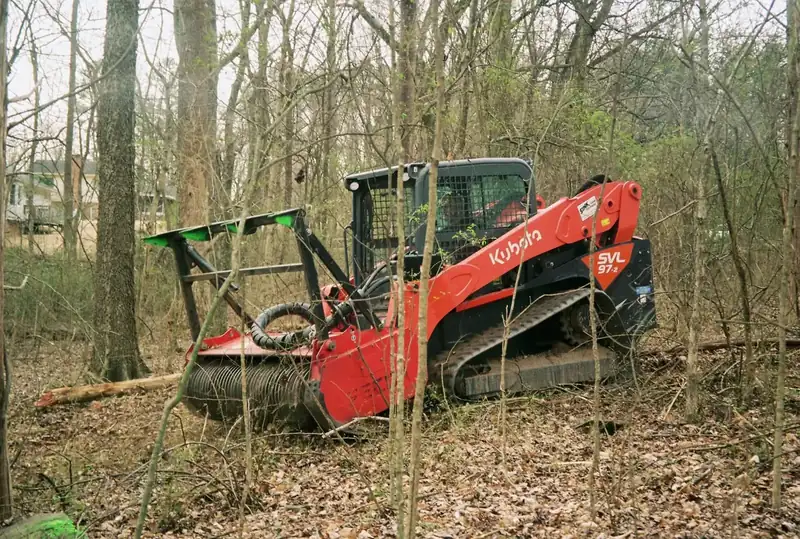
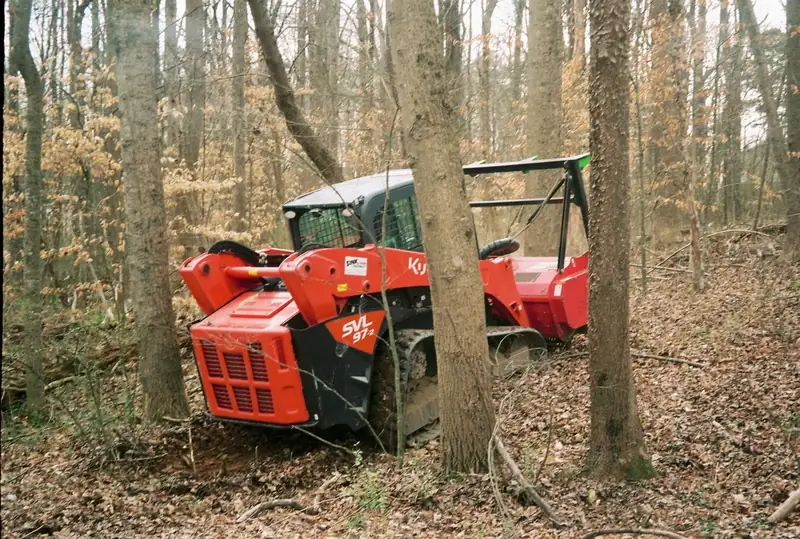
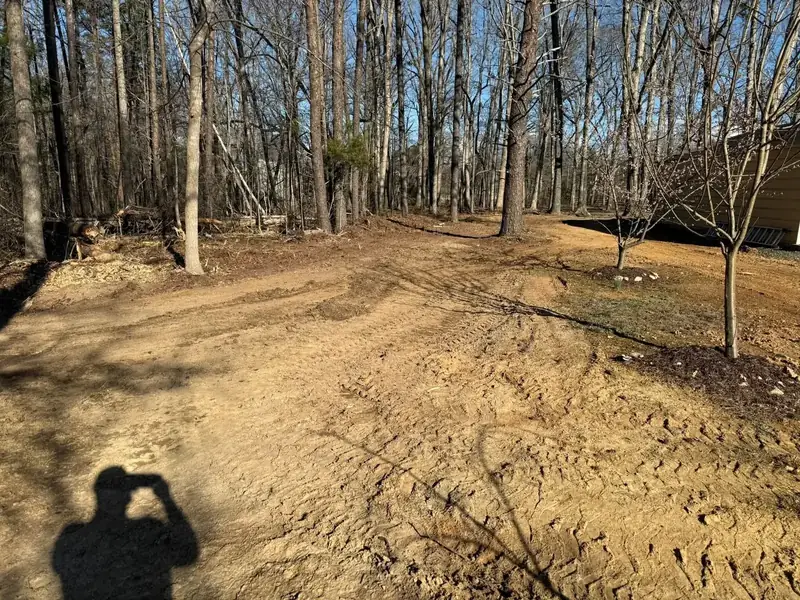
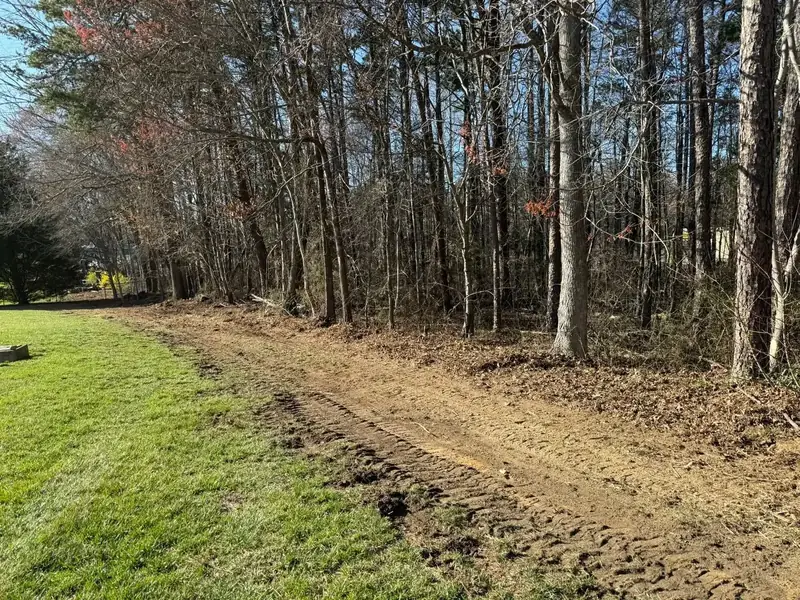
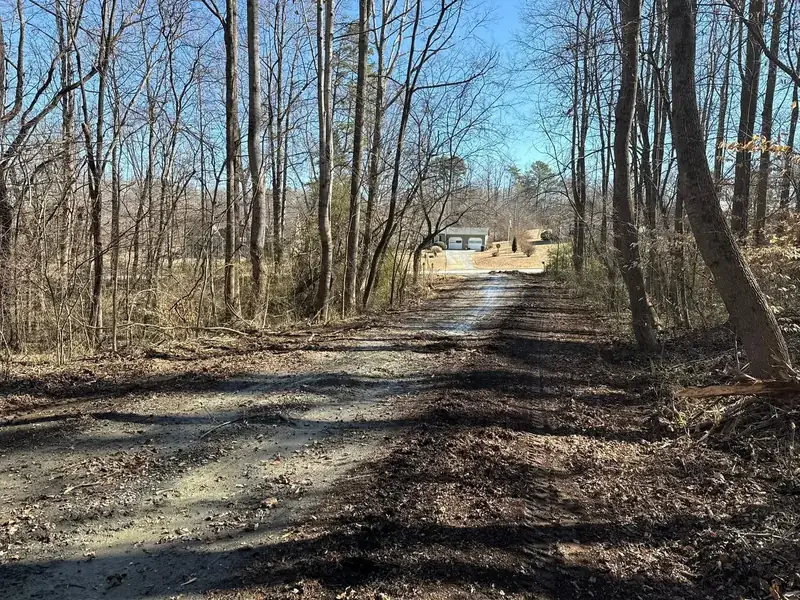
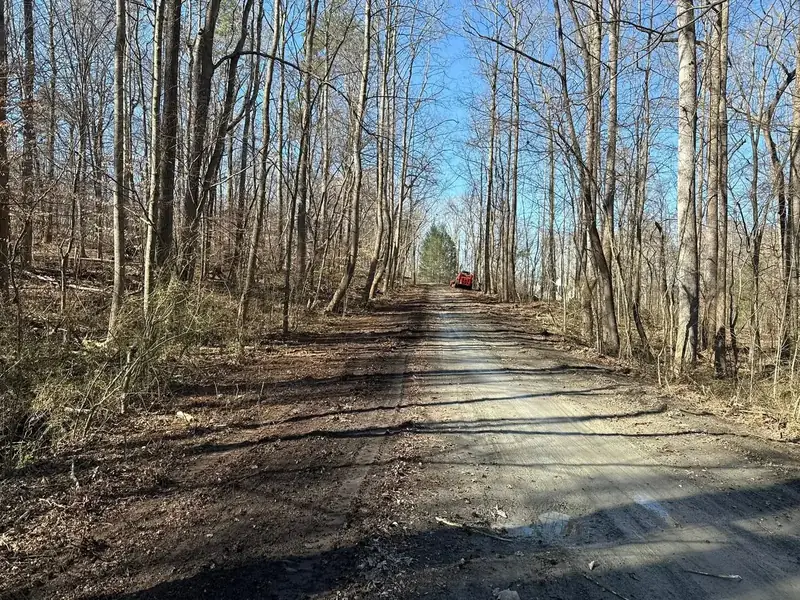
How excavation works on Piedmont ground
An excavation job is defined by three things: how deep, how much, and where it goes. Depth tells us which machine and whether the sides need to be sloped back for safety — anything over about four feet deep that a person has to get into needs that attention. Volume tells us whether the spoil can be spread on site or has to leave on the trailer, and how many loads. Location tells us about access, utilities and what's likely underground. We walk through all three on the site visit and the estimate reflects them.
The work itself is straightforward once those are known. The mini excavator does the digging — footings, trenches, cuts, holes — with the thumb to grab roots, rocks and old debris. The track loader moves the spoil, carries fill, and does the shaping and backfilling. On foundation cuts for additions or basements we dig to the elevation on the plans, leave the bottom clean and level for the footing crew, and bench the spoil back so it doesn't fall in. On removal jobs — an old oil tank, a buried stump field, a collapsed cistern — we dig it out, haul what has to go, and backfill with compacted clay so the spot doesn't sink later.
There are limits, and we're honest about them. We don't do deep utility mains, large basement excavations or anything that needs a trench box crew. We aren't a licensed septic installer, so we don't set tanks or lay drain field lines, though we do dig for the installers who do. And we don't dig blind — if the locates haven't been done or there's a known private line nobody can find, we'll hand-dig to find it or wait rather than hit it.
What the job looks like
Look at the dig
We see where it is, how deep, what's coming out, where the spoil goes and how the machine gets in. If there are plans with elevations, we work to them.
Locates and estimate
811 gets called for anything going below grade. The written estimate covers the dig, the spoils handling, backfill and any haul-off, with the price fixed before we start.
Dig
Mini excavator does the cutting, trench or hole; thumb pulls roots, rock and debris. Spoil is benched back or loaded directly to the trailer depending on the plan.
Backfill, shape or hand off
Removal jobs get backfilled in compacted lifts. Footings and cuts get a clean, level bottom and a walk-through with the next crew before we leave.
Best fit for
- Footings and foundation cuts for additions, porches and garages
- Digging out patios, retaining wall bases and walkways
- Removing buried tanks, old foundations, stump fields and debris
- Drainage ditches, swales and pond-edge work
- Lowering or opening up a section of yard
- Spoil loading and haul-off from other contractors' work
- Digging for septic installers and pool contractors
What drives the price
We don't quote excavation from a chart. These are the things that move the number, and we'll walk through each one with you on site:
- Depth and total volume of the dig
- Whether spoil stays on site or has to be hauled
- Roots, rock, buried debris and old concrete in the way
- Access — gate width, slope, distance from the trailer to the dig
- Precision required: a drainage ditch vs. a footing to the inch
- Backfill material and compaction needs
- Ground moisture and season
Equipment we bring
- Mini excavator with thumb
- Compact track loader with bucket and grading blade
- Stump bucket and root rake for roots and buried debris
- Laser-guided grade checking for footings and cuts
- Dump trailer for spoils haul-off and fill delivery
Excavation questions
How much does excavation cost per hour or per job in NC?
We usually price small digs by the job after seeing them, because the real cost drivers are depth, haul-off and what's in the way. A footing trench for a small addition is a few hours of machine time. Digging out and hauling off a buried brush pile the size of a car is a longer day plus the trailer loads. We'll tell you which you're looking at in a written estimate, free.
Can a mini excavator fit in my back yard?
Usually. Our mini needs about four and a half feet of clear width through a gate and the track loader needs closer to six. Side yards between houses in Triad subdivisions are often tight; we check that on the site visit and sometimes pull a fence panel and reset it afterward.
Do you call 811 before digging?
Every time something is going below grade. North Carolina law requires it and it's free. The utilities get a few business days to mark their lines. Private lines — your well line, a buried line to a shop, an old septic — aren't marked by 811, so we ask about those and dig carefully where they might be.
What happens to the dirt you dig out?
Your choice. Clean clay spoil can be spread on site in a low area or shaped into a berm if you have a use for it. If there's nowhere for it to go, it leaves on the dump trailer and the haul-off is priced per load. Topsoil we try to keep separate and reuse.
Can you dig a foundation for an addition?
Yes, for footings and crawl space or slab additions. We dig to the elevation and width on your plans, leave a clean, level bottom for the footing crew, and bench the spoil back so it stays out of the trench. Full basements and deep cuts that need shoring are beyond what we take on.
How far do you travel for excavation work?
Based in Greensboro, we cover about an hour and twenty minutes out — the Triad, Reidsville and Eden, Mount Airy and Elkin, Salisbury and Albemarle, Sanford, Durham, Chapel Hill and Raleigh. Small digs make the most sense closer in, but we'll quote the drive honestly either way.