

Clearing takes the trees off the top. Root raking is what cleans up what's left in the ground — the lateral roots, the broken stumps, the rocks and the chunks of debris that will keep surfacing every time you mow, disk or grade for the next ten years if nobody pulls them out. It's the step between "cleared" and "usable," and it's the one most clearing jobs skip because it takes a second pass and a different attachment.
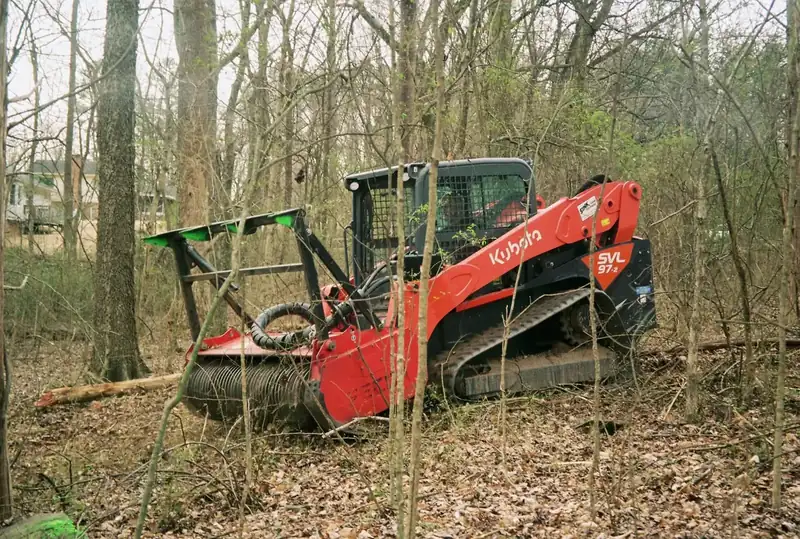
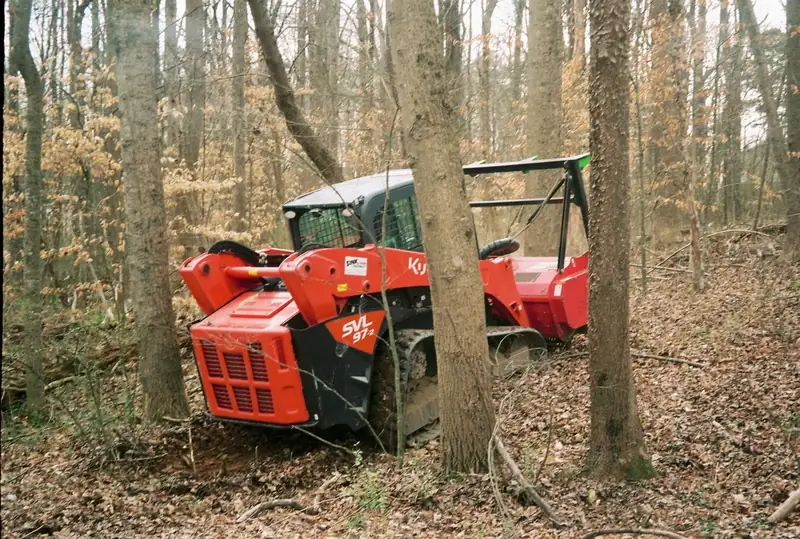
We root rake across the Triad behind our own clearing work and behind other people's. The rake is a heavy set of tines on the front of the track loader that goes into the top foot of soil and pulls roots, stumps and rocks to the surface while letting the dirt fall through. Several passes in crossing directions, and the debris ends up in windrows that the grapple picks up and piles. What's left is ground you can disk, grade, seed or build on without hitting roots.
Clark is a veteran and a working firefighter and he runs the machine. If a lot was cleared and still looks rough — stubs, roots and clods everywhere — he'll look at it and tell you what a rake pass and a grade will do. Free estimates. We also rake after our own mulching, stump removal and storm cleanup jobs as part of finishing the ground right.
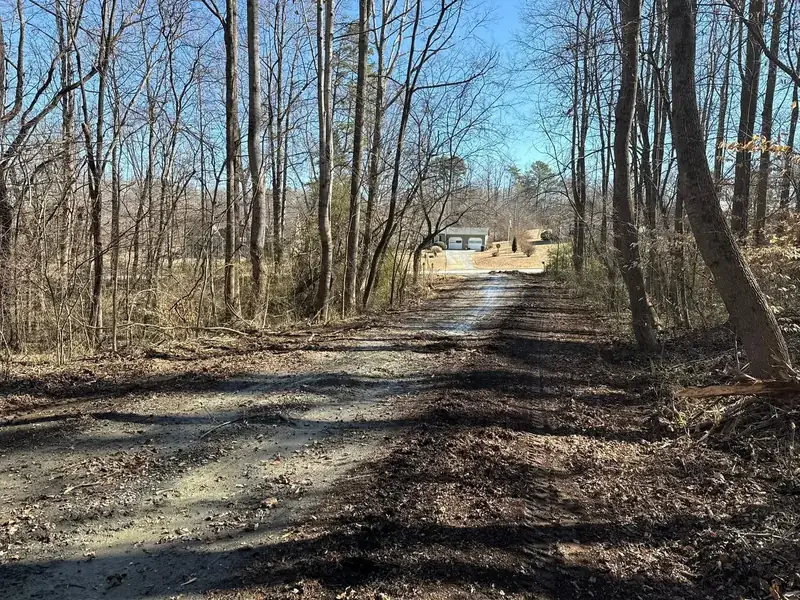
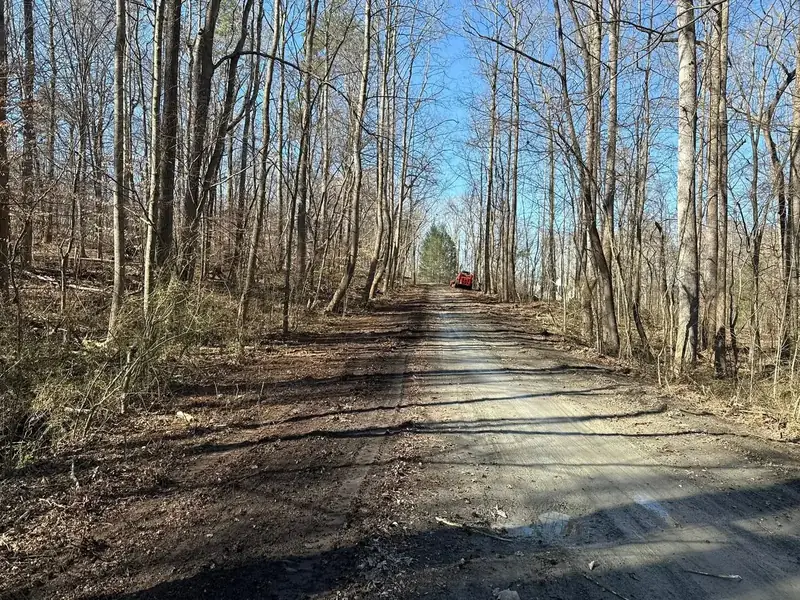
How root raking works on Piedmont ground
A root rake is a wide, toothed attachment that works like a giant garden rake with the weight of a machine behind it. Pushed through the soil, the tines catch roots, stumps, rocks and woody debris while the soil sifts between them. After clearing with a dozer or a mulcher, the top layer of Piedmont ground is full of this material — sweetgum and oak laterals, pine taproots snapped off below grade, chunks of stumps, rocks the clearing turned up. Mulching leaves roots in place by design; stump removal breaks laterals off that stay in the soil; dozer clearing leaves a mess of everything. Raking is how all three get finished.
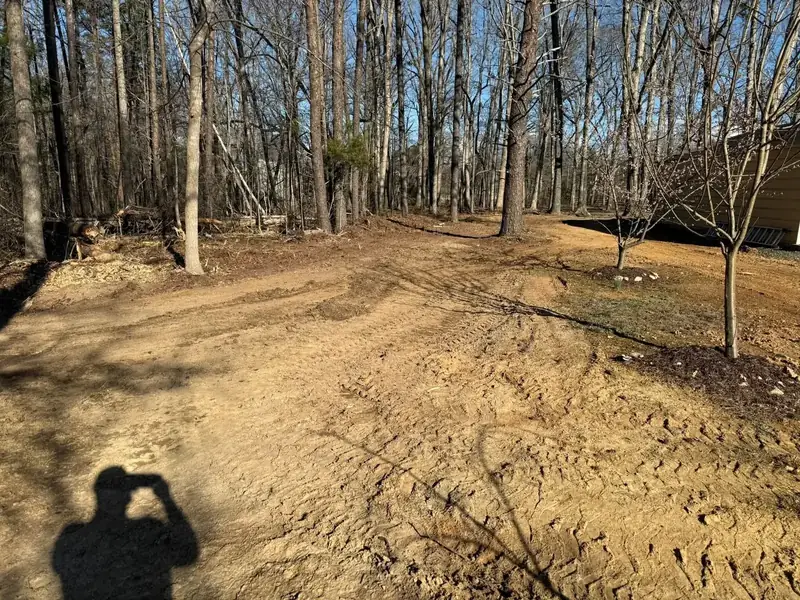
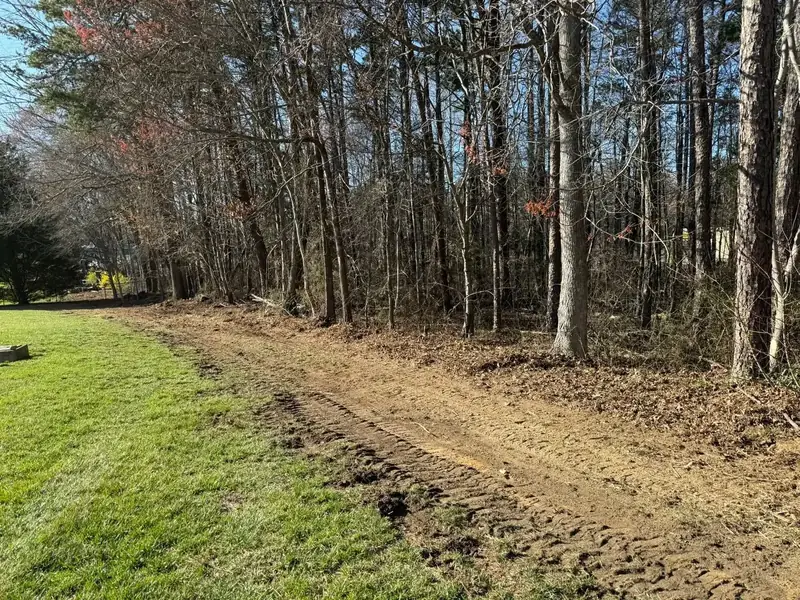
The work is done in passes. The first pass pulls the obvious material and windrows it. Crossing passes pick up what the first missed, and the rake can be angled to push the windrows together. On larger areas the grapple follows, picking the piles up for mulching, burning or hauling. Rocks get sorted out and piled separately or used for ditch armor. What matters is how clean you need the ground to be: for pasture or a food plot, one or two passes to get the big material is enough and the rest rots. For a lawn, a building pad or anything that'll be finish-graded, it takes more passes and a finer rake-out so roots don't surface through the grade.
Raking usually goes with grading. Once the debris is out, the box blade or grading blade levels the ground, fills the holes where stumps were, and shapes it for drainage. Topsoil can be spread and the area seeded and strawed. On freshly cleared clay, getting cover on fast matters — bare raked ground erodes in the first heavy rain — so we try to rake, grade and seed in one stretch of dry weather. Where a mulching job left a thick chip layer, we can rake the chips into windrows to expose dirt, or leave them as the finished surface if you don't need bare ground.
What the job looks like
Look at the ground
How it was cleared, what's in the top foot of soil, what you want it to be — pasture, lawn, pad, plot — and how clean it needs to be for that. The use sets the number of passes.
Estimate
Acreage, passes, what happens to the raked material and whether grading, topsoil and seed follow. Written with a price.
Rake in passes
First pass pulls and windrows roots, stumps and rock. Crossing passes catch what's left. Windrows pushed together for the grapple.
Pile, mulch or haul
The grapple gathers the windrows. Roots and wood get mulched, piled for burning or hauled; rock gets piled separately or used for ditch lining.
Grade and cover
Blade over the raked ground to level, fill stump holes and set drainage. Topsoil, seed and straw if the scope calls for it, so the clay isn't left bare.
Best fit for
- Lots cleared by dozer that are full of roots and debris
- Mulched land that needs bare dirt for a lawn or a pad
- Ground after stump removal with broken laterals in the soil
- Pasture and hay field reclamation before disking and seeding
- Food plots and hunting land being prepared for planting
- Storm-damaged areas with roots, limbs and debris in the ground
- Rocky Piedmont ground being prepared for finish grade
What drives the price
We don't quote root raking from a chart. These are the things that move the number, and we'll walk through each one with you on site:
- Acreage being raked
- How the land was cleared and how much debris is in the soil
- Number of passes needed for the intended use
- Disposal of the raked material — mulch, pile or haul
- Rock content, which slows the work
- Grading, topsoil and seeding after the rake
- Ground conditions and distance from Greensboro
Equipment we bring
- Compact track loader with heavy-duty root rake
- Hydraulic grapple for gathering windrows and piles
- Stump bucket for stumps the rake turns up
- Grading blade and box blade for leveling after raking
- Forestry mulcher for grinding the raked brush and roots
- Dump trailer for hauling rock and debris
Root Raking questions
How much does root raking cost per acre?
It depends on how much is in the ground and how clean you need it. A mulched lot that needs one pass to expose dirt for a pad is quick. A dozer-cleared tract full of roots, stumps and rock that needs to be lawn-clean takes several passes and a lot of pile handling. We quote per job after walking it, free, and we'll tell you how many passes your end use actually needs.
What is root raking after land clearing?
It's pulling the roots, stump pieces, rocks and woody debris out of the top layer of soil after the trees are gone. A toothed rake on the front of a track loader goes through the dirt in passes, lifts the debris to the surface and windrows it, and the soil falls through. It's what makes cleared ground ready to grade, seed, disk or build on.
Do I need root raking after forestry mulching?
Only if you need bare dirt. Mulching leaves roots in the ground on purpose and the chip layer is a good surface for pasture, trails, hunting land or anything you'll mow. If the spot is going to be a lawn, a building pad, a driveway or a garden, raking the chips and roots off and grading is the next step.
Can you rake a lot that somebody else cleared?
Yes. A lot of our raking is behind dozer work or mulching done by another contractor that left the ground rough. We look at what's in the soil, run the rake in passes, pile or mulch the debris and grade it. The lot ends up the way the clearing crew should have left it.
What happens to the roots and rocks you rake up?
Roots and wood get mulched with the forestry head if there's enough to justify it, piled for you to burn, or hauled on the dump trailer. Rock gets piled separately — it's useful for lining ditches and armoring culvert ends, and we'll put it to work on the property if you have a spot that needs it.
Do you seed after raking?
We can. Freshly raked clay erodes in the first hard rain, so getting seed and straw down right after the grade is the right move. We'll spread topsoil if you want a lawn-quality surface, then seed and straw. For pasture, most customers disk and plant their own after we rake and rough-grade.