

Every county in the Piedmont has fields that used to be pasture. The cattle left, the hay stopped, and within a decade the field filled with loblolly pine, sweetgum, cedar, privet and briars until it looked like it had always been woods. Pasture reclamation is the job of turning that back into grass — mulching the volunteer growth, knocking the stumps to grade, and leaving the field in a condition that a drill or a broadcast seeder can work.
Around Greensboro, this is some of the most common mulching work we do. Somebody buys a farm that's been let go, inherits one, or decides to bring the back forty into hay or horses, and the question is always the same: can it be a field again, and what does it take? The answer is almost always yes. Forestry mulching was practically designed for reclaiming abandoned pasture — the growth is young, the ground underneath is already field-shaped, and the chip layer feeds the soil instead of stripping it.
Clark runs the mulcher on every reclamation job himself. He's a veteran and a working firefighter, and he's walked enough grown-up fields across the Triad to tell you in the first ten minutes what you've got and what it'll take. Estimates are free.
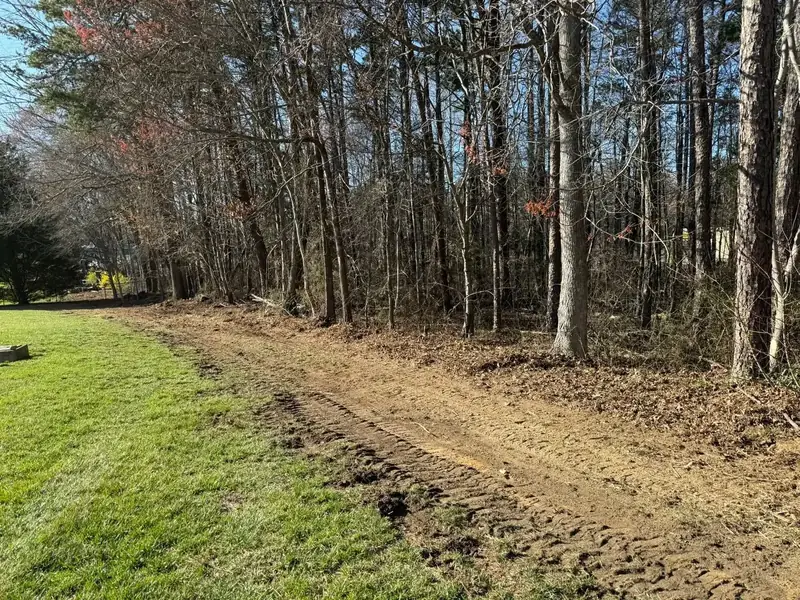
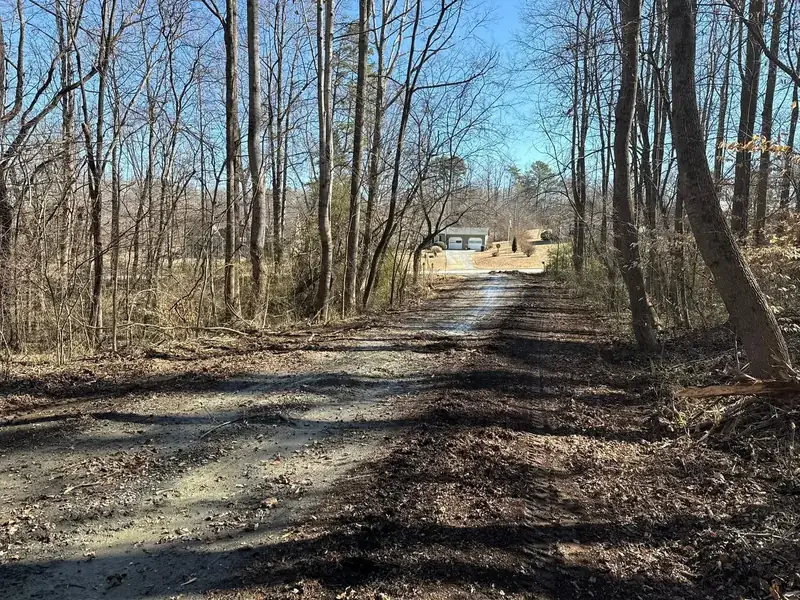
How pasture reclamation works on Piedmont ground
A field that's been out of production for five to fifteen years is the ideal reclamation candidate. The pine and sweetgum are under ten inches, the old fence lines are still findable, the terraces and drainage are intact under the brush, and the mulcher can take everything to the ground in a single pass. Past fifteen or twenty years the pines are bigger, the job shifts toward felling and grapple work, and the economics start to favor logging the timber first and reclaiming behind it. We'll tell you which situation you're in.
The mulched field isn't ready for seed the same day. The chip layer needs time to break down — a season or two depending on how thick it is — and the stumps mulched to grade will resprout, especially sweetgum. Most of our customers mow the field a few times the first year to beat back the resprouts, then disc or drag it, lime it heavy because Piedmont clay is acidic, and seed in the fall. If you want to skip the waiting, we can rake the chips into windrows or pull them off, pull the stumps with the excavator, and leave bare ground — more expensive, but faster to grass.
Water and fencing come with the job. Old pasture usually has a pond, a spring or a creek that's been swallowed by the brush, and reclaiming the field means deciding what to do with the wet areas — keep them in a buffer, fence them off, or fix the drainage so the field dries. Old fence is somewhere under the growth too. We find it before the machine hits it, pull the wire with the grapple, and flag what's worth rebuilding on. On fields over an acre where we're moving dirt rather than just mulching, NC erosion rules can apply, and we'll say so.
What the job looks like
Walk the field
We go through the growth with you — age and size of the pines and sweetgum, where the old fences and terraces are, wet spots, the pond or creek, and what the field is going back to: hay, cattle, horses or just open ground.
Scope and estimate
A written plan that says what gets mulched, what gets felled, whether stumps are mulched flush or pulled, what happens to the chips, and a realistic timeline to grass. Priced by the job after the walk.
Mulch the field
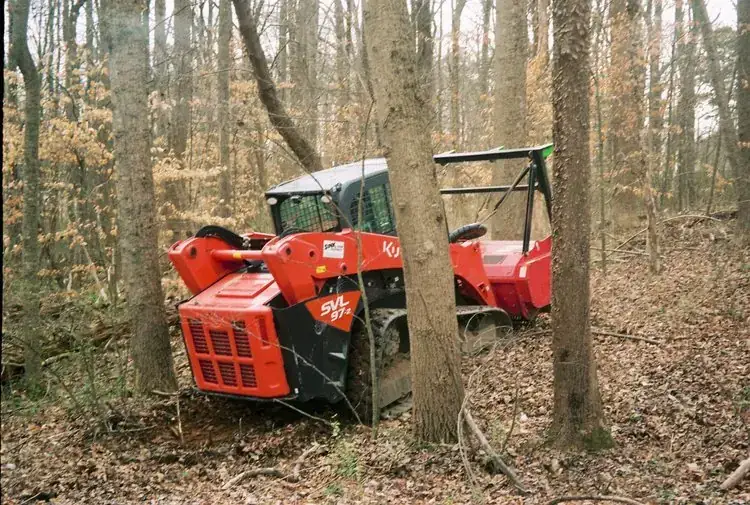
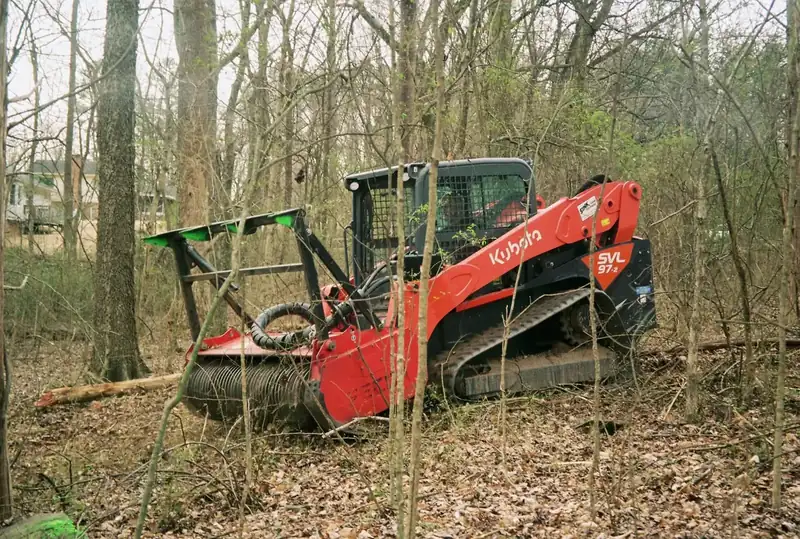
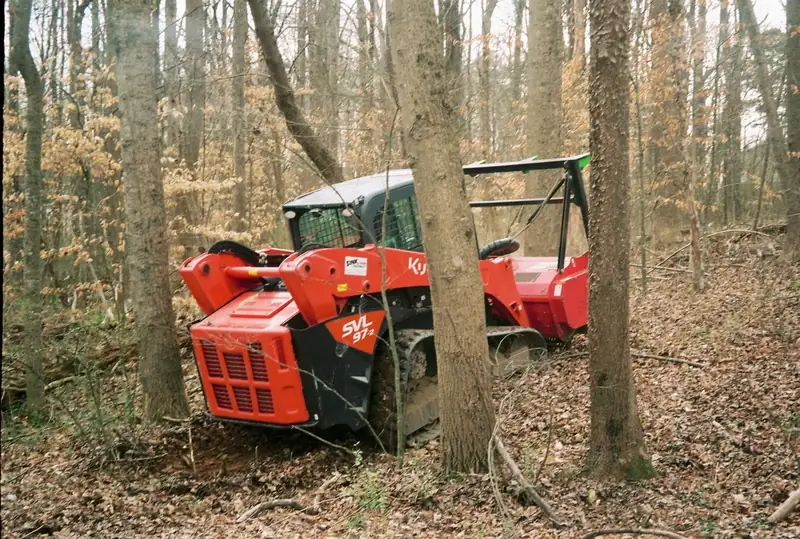
The mulcher takes the growth to grade in passes, working around keeper shade trees and the pond. Larger pines are dropped and grappled off. Old wire is pulled before it reaches the head.
Refine the finish
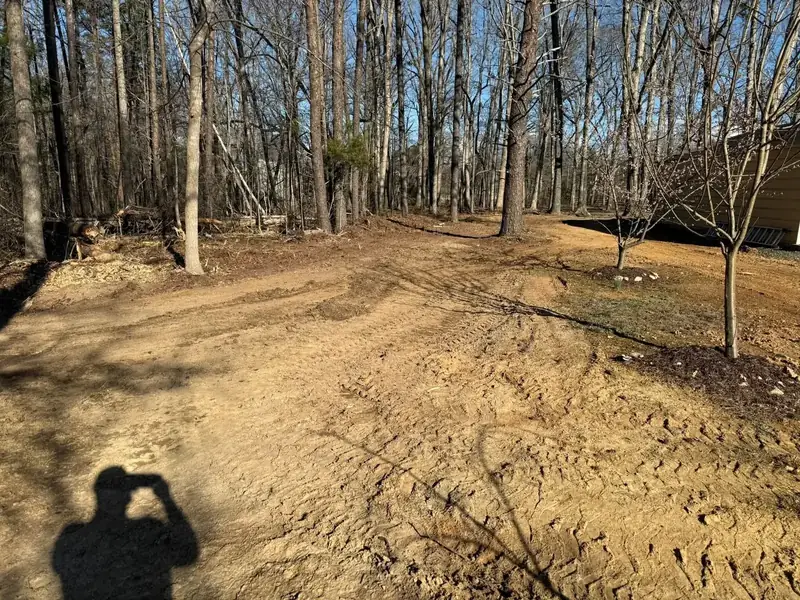
A second pass to break the chips fine and knock stubs flush, or raking and stump pulling if you want bare ground. Fence lines and wet areas are flagged for whatever comes next.
Plan for grass
We walk the field with you and talk through the mowing, liming and seeding schedule that'll actually get it back into production, and whether any drainage or fence work should happen while the ground is open.
Best fit for
- Hay fields that have gone to pine and sweetgum
- Cattle and horse pasture being brought back into production
- Inherited farms and newly bought acreage that's been let go
- Expanding existing pasture into the grown-up edges
- Opening old fields for a homestead, orchard or market garden
- Fields being reclaimed for lease to a neighboring farmer
- Conservation and wildlife openings on recreational land
What drives the price
We don't quote pasture reclamation from a chart. These are the things that move the number, and we'll walk through each one with you on site:
- Acreage and how long the field has been out of production
- Size of the volunteer pines and sweetgum — under ten inches mulches, over it gets felled
- Whether stumps are mulched flush or pulled for bare ground
- Chip handling — left in place, windrowed or removed
- Old fence, wire and junk under the growth that has to be pulled first
- Wet areas, pond edges and drainage that limit where the machine can run
- Follow-up mowing or second-pass visits to control resprouts
Equipment we bring
- Compact track loader with a high-flow forestry mulching head
- Grapple for larger pines and pulling old fence wire
- Brush cutter / rotary mower attachment for follow-up passes on resprouts
- Root rake and stump bucket for fields going to bare ground
- Mini excavator with thumb for stumps, pond edges and drainage
- Grading blade and box blade for smoothing before seeding
Pasture Reclamation questions
How much does it cost to reclaim an overgrown pasture?
Fields that have been let go five to ten years with pines under eight inches are the most economical — the mulcher runs fast and nothing needs hauling. Older fields with bigger timber take longer and may be worth logging first. Pulling stumps and removing chips for bare ground roughly doubles the work compared with mulching in place. We walk the field and give a written price, and the estimate is free.
How long before I can seed a mulched field?
If the chips stay in place, plan on mowing the resprouts through the first growing season and seeding the following fall after the mulch has broken down and you've limed. If you want grass faster, we rake the chips off and pull stumps so you can disc and seed within weeks. Most people take the slower, cheaper route.
Will the sweetgum and pine come back?
Pine won't resprout from a stump. Sweetgum will, and so will privet. The mulch layer slows them, and two or three mowings the first year usually finishes them off. Leaving the field unmowed for a season after reclamation is the fastest way to lose the work.
Can you find and remove the old fence?
Yes, and we do it before the mulcher gets near it. Old woven wire and barbed wire in a mulching head is expensive, so we walk the field, locate the lines, pull the wire with the grapple and pile it. Posts worth saving get flagged.
Is it better to mulch or bulldoze an old field?
For a field going back to grass, mulching is better almost every time. A dozer strips the topsoil, piles the debris for burning, leaves the clay exposed to wash, and needs follow-up grading. The mulcher leaves the soil, adds organic matter, and the field is walkable the same day. Dozing makes sense only if you need bare ground immediately.
What areas do you reclaim pasture in?
Greensboro and everything within about an hour and twenty minutes — the Triad counties, up to the Virginia line, west to Mount Airy and Elkin, south to Salisbury, Albemarle and Sanford, and east toward Durham, Chapel Hill and Raleigh. A lot of our field work is in Rockingham, Randolph, Alamance and Stokes.