
Clearing a property is one job. Keeping it clear is a different one, and it's the one most landowners in the Piedmont end up losing. A field gets mulched, looks great for a year, and then the sweetgum and privet come back from the roots. A fence line gets opened and grows shut again by the third summer. A farm road gets graded and washes out after the first hard storm. Land management is the work that keeps all of that from sliding back.
A&R Land Services manages acreage across Greensboro and the Triad for people who own more land than they have time for: family farms that aren't actively farmed anymore, inherited tracts, hunting land, horse properties, rural homesites with a few acres of woods and field, and investors holding land for later. We handle the mowing, mulching, edge work, trails, roads and drainage on a schedule that fits the property, so it stays usable and doesn't need a full reclamation every few years.
Clark Sellars owns the company and runs the machines himself. He's a veteran and a working firefighter, and he treats a maintenance plan the way he'd treat his own ground: do the work that matters before it gets expensive, skip the work that doesn't, and tell you plainly which is which.
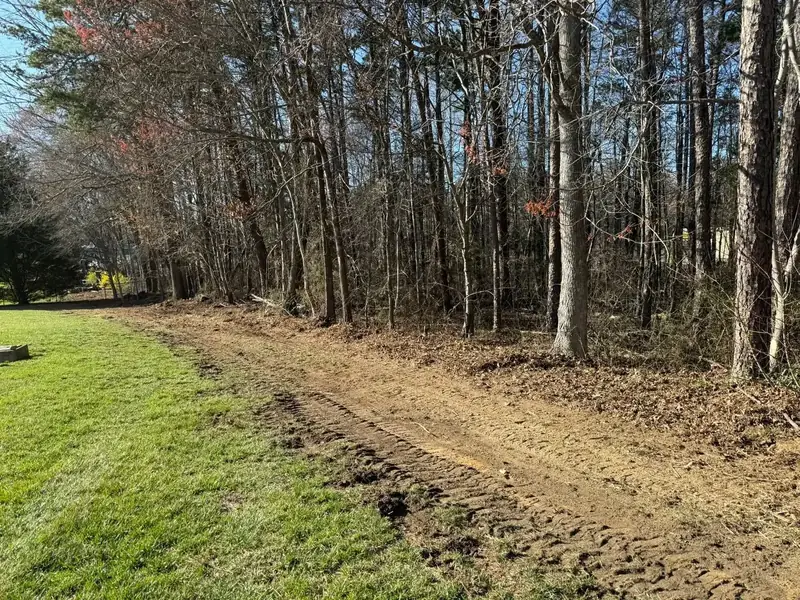
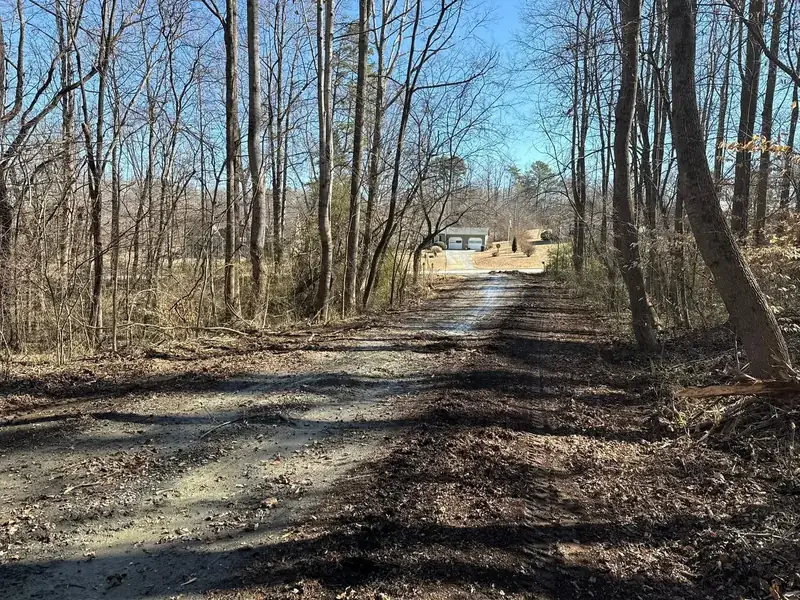
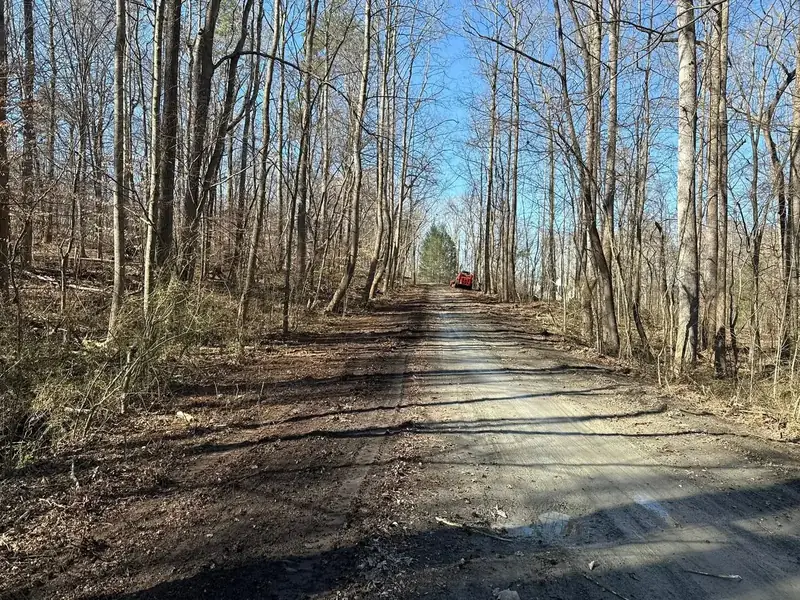
How land management works on Piedmont ground
Most land management in the Piedmont comes down to fighting regrowth. Our clay soils, long growing season and heavy seed rain from pine, sweetgum, cedar and invasive shrubs mean an open field left alone for three years starts turning into woods, and one left alone for ten is woods. The cheapest way to hold ground open is to keep it open: a couple of bush hog passes a year on fields, a mulcher pass on edges every few years, and targeted work on the spots where trouble starts.
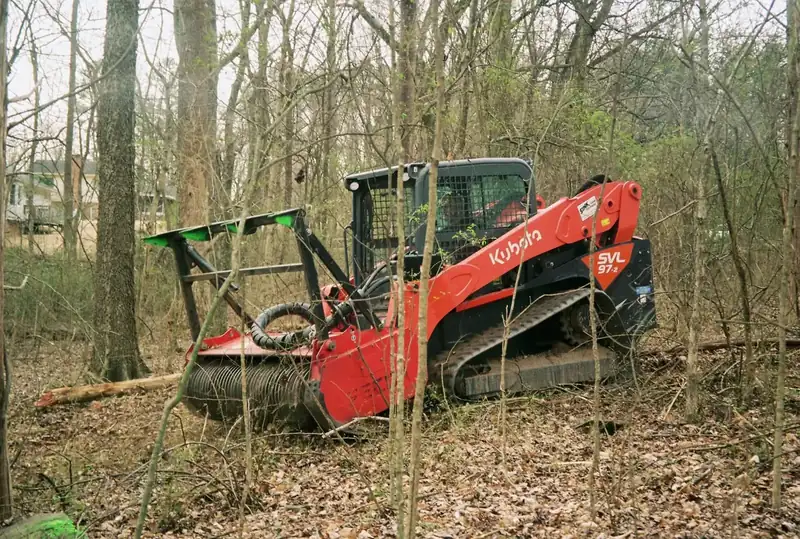
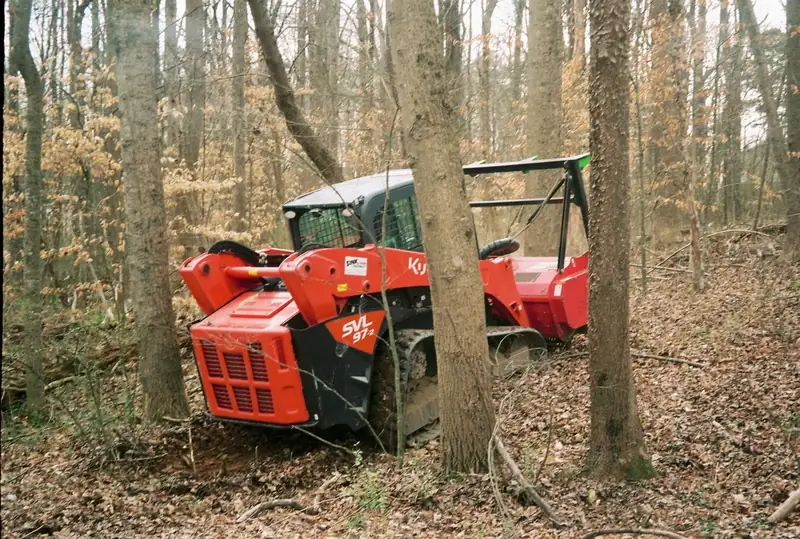
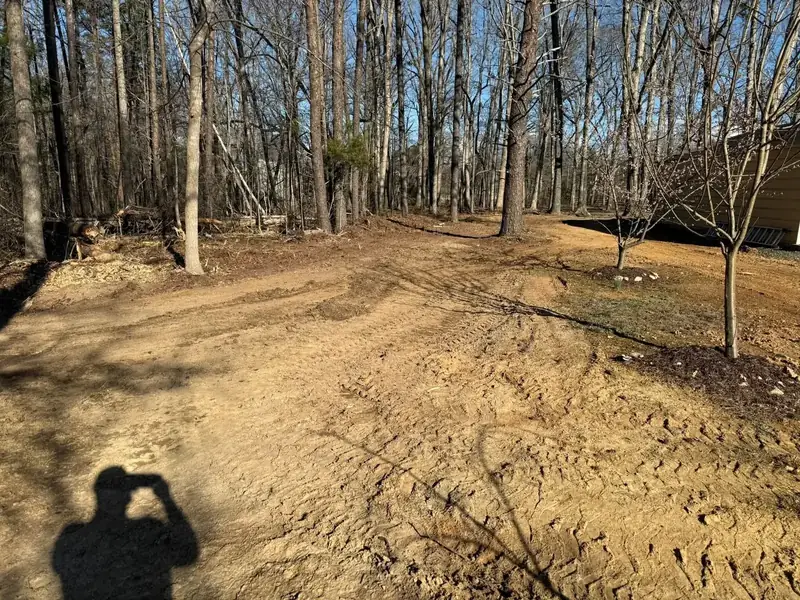
The work itself is a mix of tasks we already do every week. Bush hogging and rotary mowing for fields and pastures. Forestry mulching for edges, fence lines, field corners and anything that has gotten past what a mower can handle. Invasive control for privet, multiflora rose, autumn olive and kudzu, done mechanically with follow-up timing that actually beats resprouts. Trail and firebreak maintenance. Farm road and driveway grading, with ditches and culverts kept open so water doesn't cut the road. Storm cleanup when a tree comes down across a fence or a lane.
What makes it management instead of a list of one-off jobs is the plan. We walk the property with you, figure out what you want it to be — pasture, hay ground, hunting land, open lawn and woods, a tract you're holding to sell — and lay out what needs doing this season, what needs doing every year, and what can wait. Then we show up on that schedule. You get a property that looks cared for without having to remember to call every time something grows shut.
What the job looks like
Walk the whole property
We go over the acreage with you: fields, edges, fence lines, woods, trails, roads, creeks and drainage. We note what's open, what's slipping, and what's already gone back to woods, and we ask what you want each part of the property to do.
Build a plan by season
We lay out the work in the order that makes sense: catch-up work first where something has gotten away, then a regular rhythm of mowing, edge work and road and drainage upkeep. Timing follows the ground and the growth — mowing when it does the most good, mulching and invasive work when resprouting is weakest, grading when the clay is dry enough to hold.
Written scope and price
You get the catch-up work priced as a job and the recurring work priced per visit or per season, so you know what the year costs before it starts. Nothing gets added without a conversation.
Do the work on schedule
We come out on the plan. Fields get cut, edges get pushed back, invasive patches get hit, trails get reopened, roads get crowned and ditches get cleaned. If a storm drops a tree or washes a road in between, we come out for that too.
Report back and adjust
After each visit you get a short note and photos — especially useful for owners who don't live on the property. Every year we walk it again and adjust the plan: some areas need less once they're under control, and some need more.
Best fit for
- Family farms and inherited land that aren't actively farmed but need to stay open
- Absentee owners and out-of-town heirs who need someone local keeping an eye on the property
- Horse and cattle properties with pasture edges and fence lines that keep closing in
- Rural homesites with several acres of field and woods to keep tidy
- Hunting land that needs lanes, plots and trails kept open between seasons
- Investors and landholders keeping a tract presentable until it sells or gets built on
- Churches, clubs and HOAs with common acreage, trails or open space to maintain
What drives the price
We don't quote land management from a chart. These are the things that move the number, and we'll walk through each one with you on site:
- Total acreage and how much of it is field versus edge versus woods
- How far the property has slipped — catch-up work costs more than upkeep
- How often the plan calls for visits each year
- Growth type — grass and briars versus woody regrowth and invasives
- Length of fence lines, trails, farm roads and ditches in the plan
- Access and terrain — slopes, creeks, gates and soft ground
- Distance from Greensboro and whether visits can be batched with nearby work
Equipment we bring
- Compact track loader with a high-flow forestry mulching head for edges and regrowth
- Rotary cutter (bush hog) for fields, pastures and plot mowing
- Grapple for downed trees and storm debris
- Root rake for pulling regrowth and debris out of fields
- Grading blade and box blade for farm roads, driveways and ditches
- Mini excavator for ditch cleaning, culvert work and spot drainage
Land Management questions
What does land management include?
It's whatever keeps your acreage usable: bush hogging fields, mulching edges and fence lines, clearing invasive growth, reopening trails, grading farm roads and keeping ditches and culverts working. We build the plan around what you want the land to do.
How often does a property need maintenance?
Most Piedmont fields need bush hogging two or three times a year to stay open, especially for the first couple of years after clearing. Edges and fence lines usually need a mulcher pass every two to four years. Roads and ditches depend on how hard the storms hit.
Do you work with owners who don't live on the property?
Yes, and it's a big part of what we do. We can work from a map and a phone call, send photos after each visit, and keep an eye out for problems like washouts, downed trees or dumping.
Is it cheaper to maintain land or to clear it again later?
Maintaining it, almost always. A field that gets mowed twice a year stays a field. A field left for eight years needs a mulcher, more time, and a season or two of follow-up before it looks right again.
Can you get a property back under control first?
Yes. Most plans start with catch-up work: mulching what has grown in, reopening fence lines and trails, and fixing the road or drainage. After that, the regular visits keep it from happening again.
What areas do you cover for land management?
Greensboro and about an hour and twenty minutes out in every direction: the Triad, north to the Virginia line, west into the Yadkin Valley, south toward the Uwharries and east toward the Triangle.