

The Piedmont has a short list of plants that take over everything if you let them: Chinese privet, kudzu, Japanese honeysuckle, multiflora rose, running bamboo, tree-of-heaven and Bradford pear volunteers. They don't just grow — they close out everything else, shade the ground bare, pull down fences and trees, and spread to the neighbors. Invasive removal is the work of knocking those infestations back hard enough that you can get ahead of them, and being honest about what it takes to keep them down.
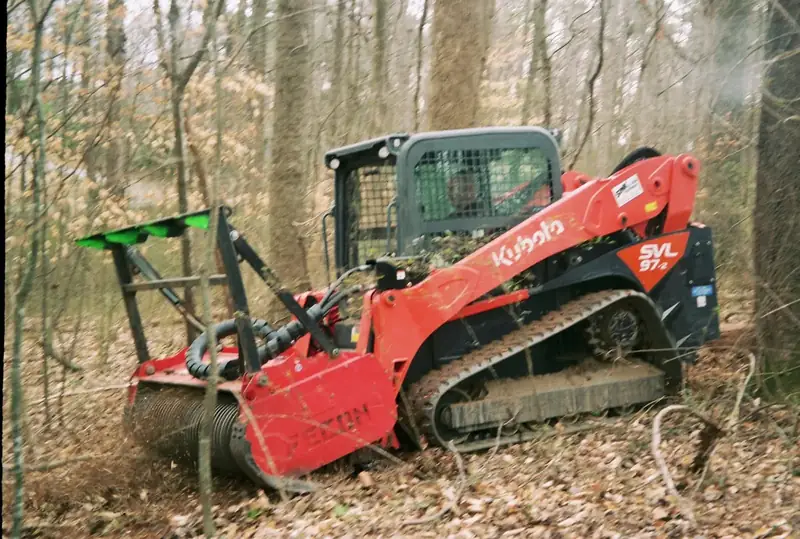
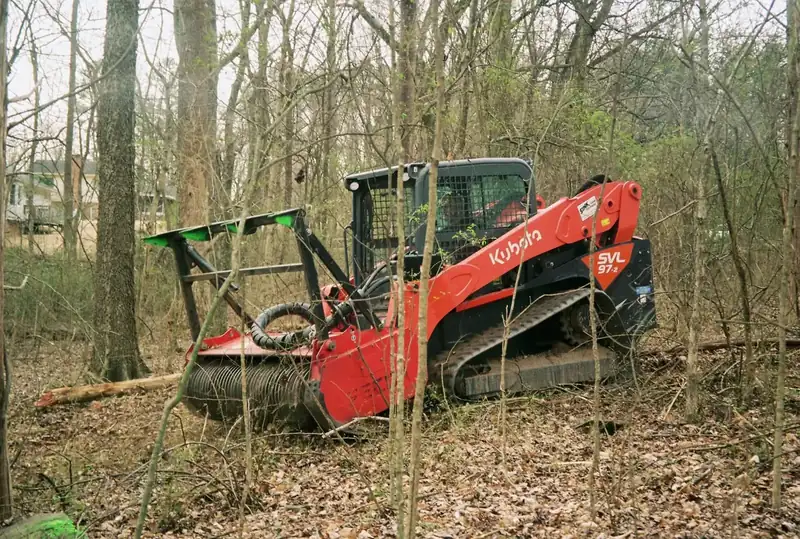
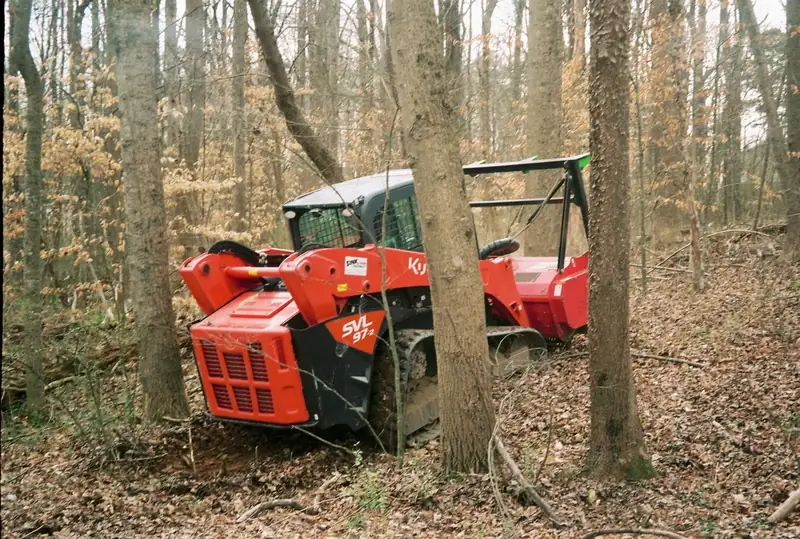
We take invasives out with a forestry mulcher. On a privet thicket or a kudzu-covered slope the machine does in an afternoon what a crew with saws and loppers would need a week for, and it leaves a mulch layer that slows the resprout and makes the follow-up easy to see. For bamboo and tree-of-heaven we'll tell you up front that mulching is round one, not the finish — the roots have to be dealt with separately or they'll be back by summer.
Clark runs the machine himself. He's a veteran and a working firefighter, and he's cleared enough privet across Guilford, Alamance and Rockingham counties to tell you which infestations are a one-pass job and which need a plan. Estimates are free, and so is the honest version of what you're up against.
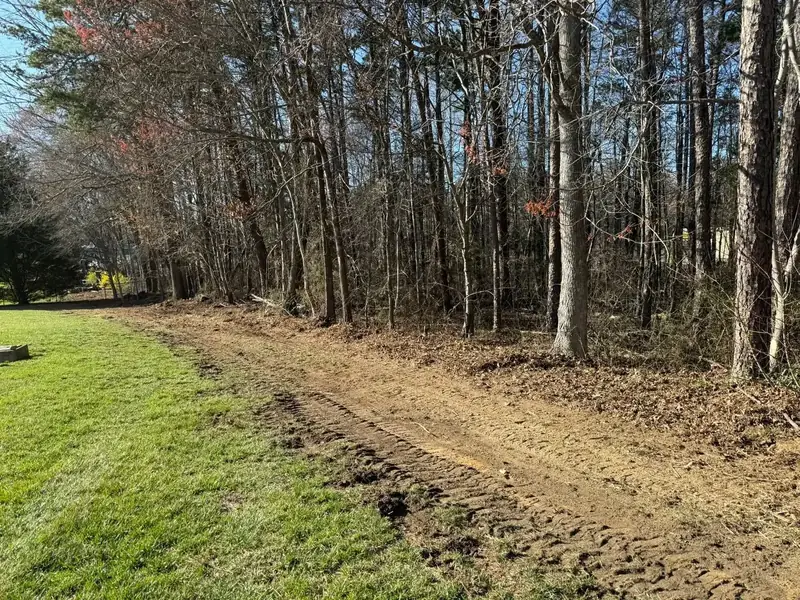
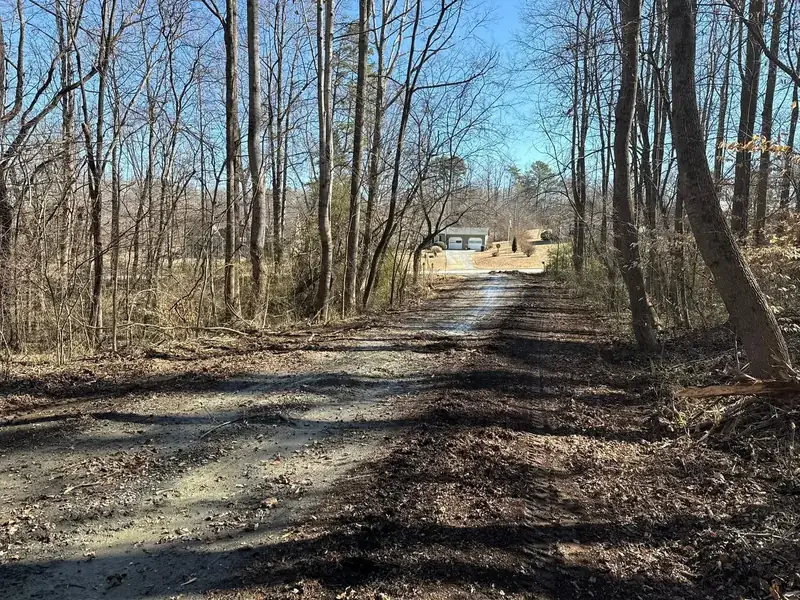
How invasive removal works on Piedmont ground
Each invasive behaves differently under a mulcher. Privet mulches easily and resprouts from the root crown within a season — the mulch layer and a follow-up mowing or cut-stump treatment the next year usually get you ahead of it. Kudzu is a vine, so the mulcher strips the mass off whatever it's climbing, but the crowns stay in the ground and will push new runners; repeated mowing over two or three seasons exhausts them, or you treat the crowns. Honeysuckle and multiflora rose behave like privet. Running bamboo and tree-of-heaven are the hard ones — both spread by root and mulching alone just prunes them.
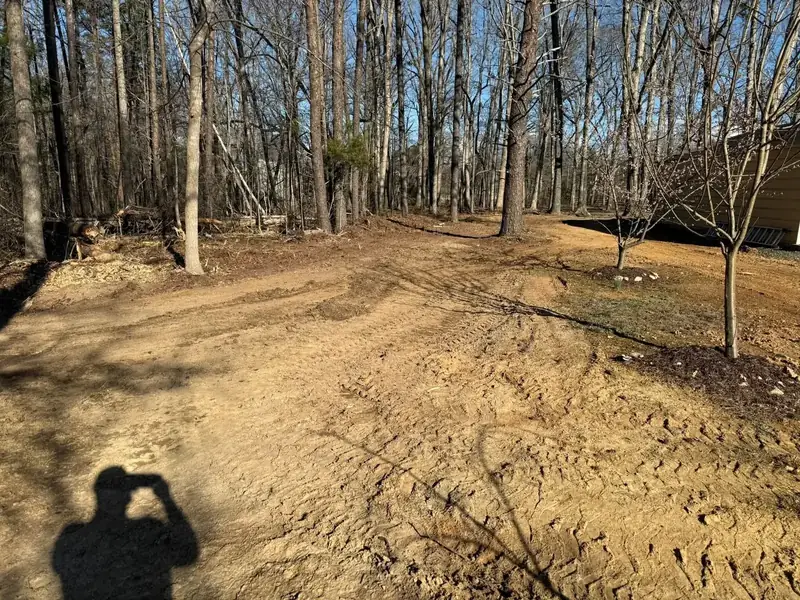
What we do is clear the standing mass and leave you in a position to win. That means taking the thicket to grade, stripping vines off the keeper trees before they pull them down, pulling privet root balls with the grapple where you want them completely gone, and leaving a mulch layer you can mow. We don't apply herbicide, and we'll say so — if your plan includes treatment, that's a licensed applicator, and we'll leave the resprouts easy for them to find. For bamboo we can dig the rhizome mat with the excavator, which is the only mechanical approach that actually works.
Where the invasives grow matters as much as what they are. Privet and kudzu love creek banks and the bottoms along them, and those come with buffer rules — we clear from the top down, leave the mulch on the slope, and stay out of the water. Kudzu on a road bank may be in DOT right-of-way. Bamboo along a property line is often rooted on both sides, and removing it on yours alone is a holding action unless the neighbor's in. We'll walk all of that with you before we quote it.
What the job looks like
Identify and map it
We walk the infestation, figure out what's growing and how far the roots reach, find the keeper trees being smothered, and note creek buffers, fence lines and the neighbor's side. Different plants get different plans.
Honest scope
A written estimate that says what mulching will do, what it won't, and what the follow-up looks like for your specific plant. If bamboo or tree-of-heaven needs root work, it's in the scope or flagged as a separate step.
Mulch and strip
Thicket to grade, vines stripped off keeper trees, root balls grappled where you want privet completely gone. Mulch stays in place to suppress resprouts and hold the slope.
Root work where it counts
For bamboo we dig the rhizome mat with the excavator. For heavy privet in a small area we pull crowns with the root rake. Elsewhere the roots stay and the plan handles the resprouts.
Follow-up plan
We walk it with you, show you what will come back and when, and schedule a mowing or second-pass visit if you want us handling it. Resprouts are small the first year — that's when to hit them.
Best fit for
- Privet thickets choking wooded lots and creek bottoms
- Kudzu on slopes, fence rows and road banks
- Honeysuckle and multiflora rose in old pasture edges
- Running bamboo spreading from a neighbor or an old planting
- Bradford pear and tree-of-heaven volunteers along property lines
- Vines pulling down keeper trees and fences
- Buffers and common areas an HOA needs to reclaim
What drives the price
We don't quote invasive removal from a chart. These are the things that move the number, and we'll walk through each one with you on site:
- Which invasive it is — privet mulches fast, bamboo needs excavation
- Acreage and how dense the infestation is
- Whether roots are being pulled or left for a follow-up plan
- Keeper trees that need vines stripped carefully
- Slope and creek buffer limits on where the machine can run
- Follow-up visits for mowing or second-pass mulching
- Access to the infestation — bottoms and banks are often the hardest to reach
Equipment we bring
- Compact track loader with a high-flow forestry mulching head
- Grapple for pulling privet root balls and stripped vine mass
- Root rake for crown removal in small, heavily infested areas
- Mini excavator with thumb for digging bamboo rhizome mats
- Brush cutter / rotary mower attachment for follow-up passes
Invasive Removal questions
How much does it cost to remove privet or kudzu?
Mulching a privet or kudzu infestation costs about what brush clearing does for the same acreage — it's fast work for the machine. Pulling the root crowns, digging bamboo, or committing to follow-up visits adds to it. The single biggest cost factor is whether you want it knocked back or want it gone, and we'll price both so you can choose. Estimates are free.
Will mulching kill privet?
No, and anybody who tells you otherwise is selling something. Mulching takes the privet to the ground and the mulch layer suppresses it for a season, but it resprouts from the root crown. What mulching does is make the infestation manageable — small resprouts you can mow, treat or pull instead of a ten-foot wall. Follow-up is part of the plan.
Can kudzu be removed permanently?
Yes, with persistence. Mulching strips the vine mass, and then the crowns have to be exhausted — either by mowing every few weeks through two or three growing seasons, or by a licensed applicator treating them. We do the mechanical part and leave the crowns easy to find. Kudzu that gets one pass and then gets ignored is back the next year.
Do you spray herbicide?
No. We're a mechanical operation — mulching, grapple, excavator. If your plan calls for treatment, that's a licensed applicator, and the cleanest handoff is a mulched site where the resprouts are small and visible. We'll tell you when treatment is the right next step for your plant.
Can you remove bamboo for good?
Running bamboo has to be dug. The rhizome mat is usually in the top foot or so of soil, and the mini excavator can lift it out across the infested area. It's more work than mulching, and if the stand is rooted across a property line the neighbor's side will keep sending runners unless there's a barrier or they're removing theirs too. We'll give you the straight version on the walk-through.
What areas do you cover for invasive removal?
Greensboro and roughly an hour and twenty minutes in every direction — the whole Triad, north to the Virginia line, west to Mount Airy and Elkin, south to Salisbury, Albemarle and Sanford, and east to Durham, Chapel Hill and Raleigh.