

A ditch only works while it's a ditch. Give it a few years of silt washing in, leaves and pine straw settling, honeysuckle and sweetgum taking over the banks, and a culvert end slowly filling, and it becomes a long shallow puddle that backs water up onto your driveway, your yard or your field. Cleaning it out and putting the grade back is cheap compared with the drainage and erosion problems a dead ditch causes, and it's a job that most people put off far longer than they should.
We clean and reshape ditches and swales across the Triad: driveway ditches along private lanes, farm ditches between fields, drainage swales through subdivisions and the shallow channels that carry water across a property to a creek. The excavator pulls out the silt and the brush, the blade re-establishes the bottom grade and the side slopes, and we finish with stone where the flow is heavy and seed where it's not. If the ditch outlets through a culvert, that gets cleaned or replaced in the same trip.
Clark runs the machines himself. As a veteran and a working firefighter, he's used to jobs that need to be done right rather than just done. He'll walk your ditch with you, show you where it's lost grade and where the water is backing up, and give you a free written estimate for getting it flowing again.
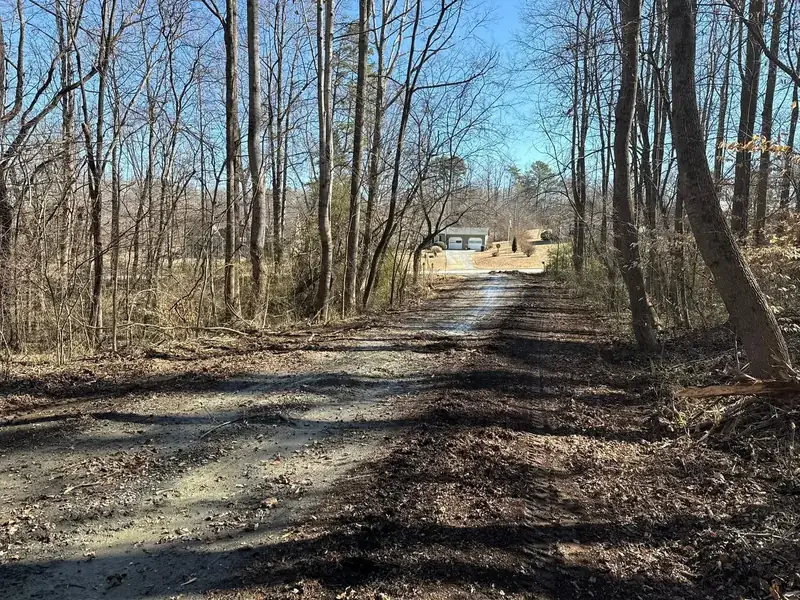
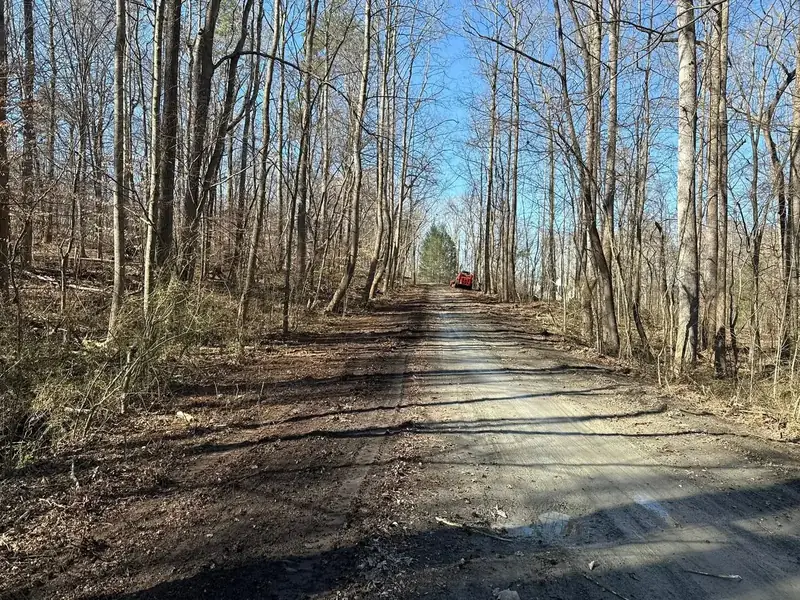
How ditch cleaning works on Piedmont ground
Ditch cleaning is excavation on a small scale. The goal is to restore the original cross-section — a bottom that falls consistently toward the outlet, side slopes that stay put, and enough depth that water stays in the ditch during a heavy rain. In the Piedmont, the silt that fills ditches is red clay fines washing off bare ground and road surfaces, mixed with organic debris. It compacts into a dense mud that doesn't move without a machine. The excavator scoops it out, the spoils go on the trailer or get spread somewhere useful on the property, and the blade reshapes what's left.
Grade is what makes the difference between a ditch that's clean for a season and one that's clean for a decade. If the bottom has high spots, water ponds behind them and drops its silt there, and the ditch fills from the inside out. We check fall along the run, cut the high spots and make sure the outlet — a culvert, a creek, a lower ditch — is actually lower than the ditch bottom. Side slopes are cut gentle enough to hold grass; a vertical bank in clay just slumps back in. Where flow is strong enough to cut, the bottom gets lined with riprap or stone.
Swale reshaping is the same work on a shallower, wider channel, usually in a lawn or field where you want to mow across it. We cut swales with broad, gentle sides and a defined low line so they carry water in a storm and disappear into the lawn the rest of the year. On roadside ditches along state roads, NCDOT maintains the ditch itself — we work on private driveways, farm lanes and the ditches on your own land, and we call 811 before we dig because roadside right-of-way is full of buried lines.
What the job looks like
Walk the run
We follow the ditch from the top to the outlet, note where it's silted, where the brush is and where the grade has gone flat. If there's a culvert, we check whether it's clear and set at the right height.
Estimate
Length, depth of silt, brush removal, whether the spoils stay or go, stone or seed at the finish. Written, with a price, before we start.
Clear and excavate
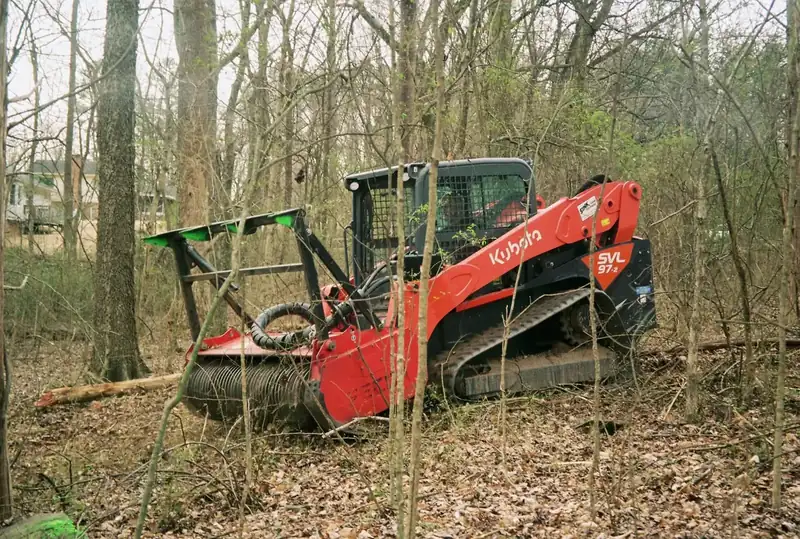
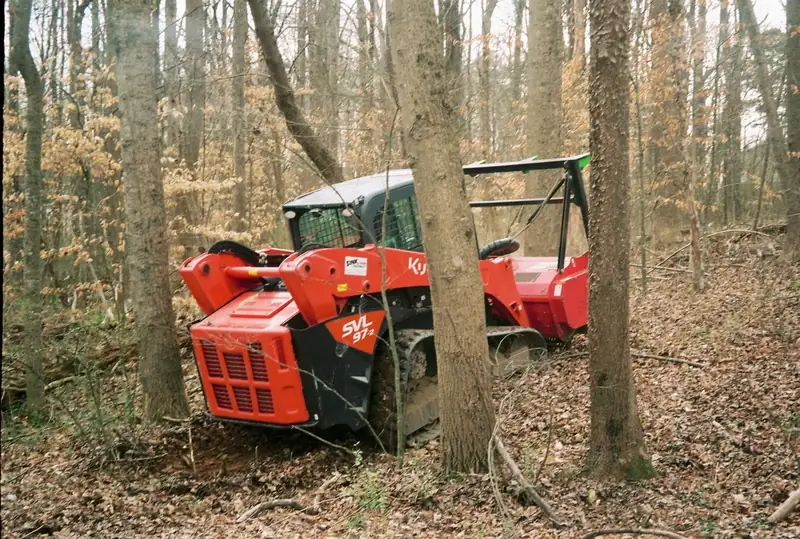
Brush and small trees on the banks get mulched or grappled out. The mini excavator removes the silt and debris down to firm ground and re-establishes the bottom grade toward the outlet.
Reshape and finish
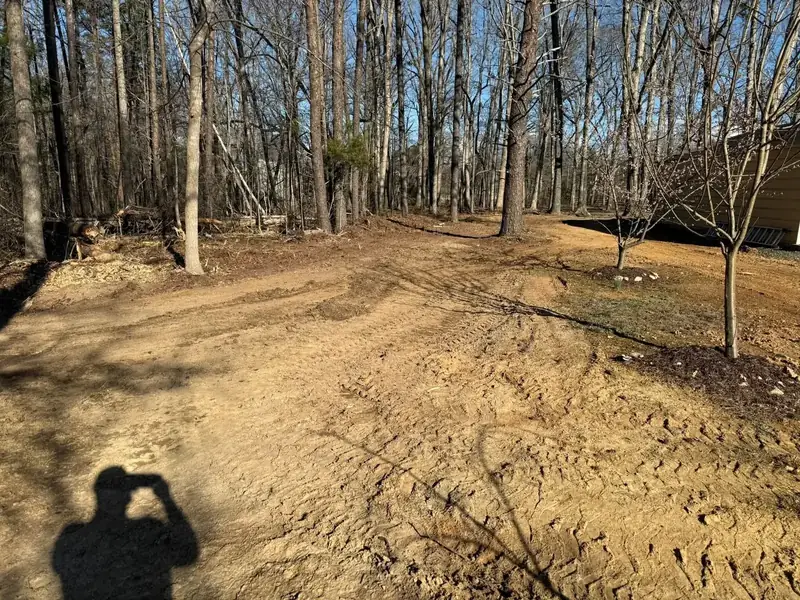
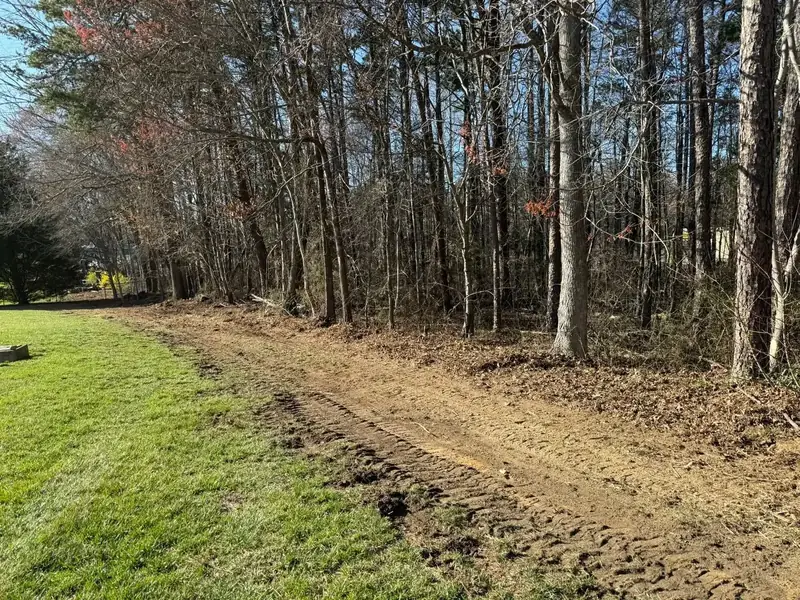
Side slopes cut to a grade that holds, bottom checked for fall, stone placed where flow concentrates, seed and straw on fresh banks. Culvert ends cleaned and armored.
Best fit for
- Driveway ditches that back water onto the drive
- Farm ditches between fields that have filled with silt
- Drainage swales through lawns and subdivisions that no longer flow
- Ditches choked with honeysuckle, privet and sweetgum
- Culvert inlets and outlets buried in sediment
- Channels that carry water across a property to a creek or pond
- Ditches that have lost their grade and pond in low spots
What drives the price
We don't quote ditch cleaning from a chart. These are the things that move the number, and we'll walk through each one with you on site:
- Length of ditch or swale being cleaned
- Depth of silt and how dense the material is
- Amount of brush and trees that have to come off the banks first
- Whether spoils are spread on site or hauled away
- Culverts that need cleaning, resetting or replacing in the run
- Stone lining or seed and straw at the finish
- Access along the ditch and distance from Greensboro
Equipment we bring
- Mini excavator with thumb for pulling silt, roots and debris
- Compact track loader with grading blade and box blade for reshaping slopes and swales
- Forestry mulcher and brush cutter for clearing brush off the banks
- Root rake and grapple for pulling roots and woody debris
- Dump trailer for hauling spoils off or stone in
Ditch Cleaning questions
How much does ditch cleaning cost?
It scales with length and how much has to come out. A couple hundred feet of driveway ditch with light silt is a short job. A long farm ditch with two feet of mud, trees on the banks and a buried culvert is a full day or more with haul-off. We price after walking the run and the estimate is free. Stone lining and culvert work are quoted separately so you can see what each piece costs.
Who is responsible for cleaning the ditch in front of my house?
On a state-maintained road, NCDOT is responsible for the roadside ditch itself, and you can request maintenance through their district office. The culvert under your driveway and anything on your own property is yours. On private roads and farm lanes, the ditches belong to whoever owns or maintains the road. We work on the private side — your driveway ditch, your field ditches, your swales.
How often should a drainage ditch be cleaned?
In the Piedmont, a ditch that receives runoff from bare ground or a gravel road can need attention every few years. One that drains established lawn or pasture may go a decade. The signs it's due are water standing in the ditch days after rain, grass and brush growing in the bottom, and water going over the driveway at the culvert.
Can you clean out a ditch that's grown up in brush and trees?
Yes. That's most of the ditches we see. The mulcher or brush cutter takes the growth off the banks, the grapple pulls anything bigger, and the excavator digs out the roots and silt. Then we reshape the banks and bottom so the water flows again. If the trees are big enough to shade the ditch and keep it from regrowing, we can leave them.
What happens to the mud you dig out of the ditch?
Your choice. On farms and larger properties we usually spread the spoils somewhere useful — a low spot, a bank that needs building up, a field edge. On smaller lots where there's nowhere to put it, we load it on the dump trailer and haul it off. The estimate shows the cost either way.
Do you reshape swales in yards?
Yes. A swale is just a shallow, wide ditch you can mow across. We cut them through lawns and fields to carry water to an outlet, and we reshape old ones that have filled in or lost their grade. Done right, a swale disappears into the lawn except when it's raining.