

Every gravel driveway in the Piedmont needs maintenance, and most of them don't get it until the potholes are deep enough to spill coffee. Regrading a drive — pulling the stone back from the edges, cutting out the washboard and potholes, restoring the crown so water sheds — is a few hours of machine work that adds years to the driveway. Letting it go until the base is gone and the clay is coming through turns that into a rebuild.
We grade and repair gravel driveways across the Triad: annual regrading, pothole and washboard repair, rut filling, washout rebuilds after storms, soft-spot excavation, fresh ABC or #57 stone where the surface has thinned, and entrance and culvert repair where the drive meets the road. The box blade and grading blade do most of it; the excavator comes out when a section has to be dug and rebuilt.
Clark is a veteran and a working firefighter and he's the one on the machine. He'll walk your driveway with you, show you where the crown has gone flat and where the water is doing damage, and give you a free written estimate for a repair that addresses the cause, not just the pothole.
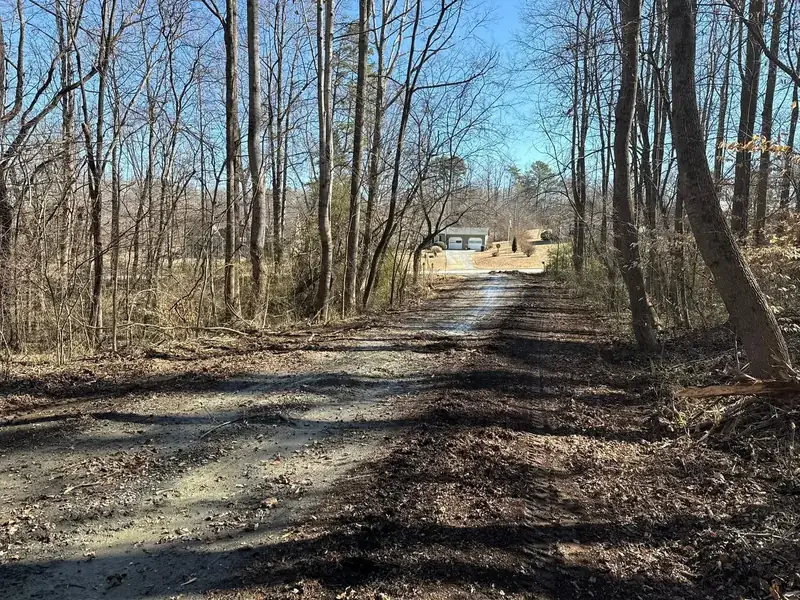
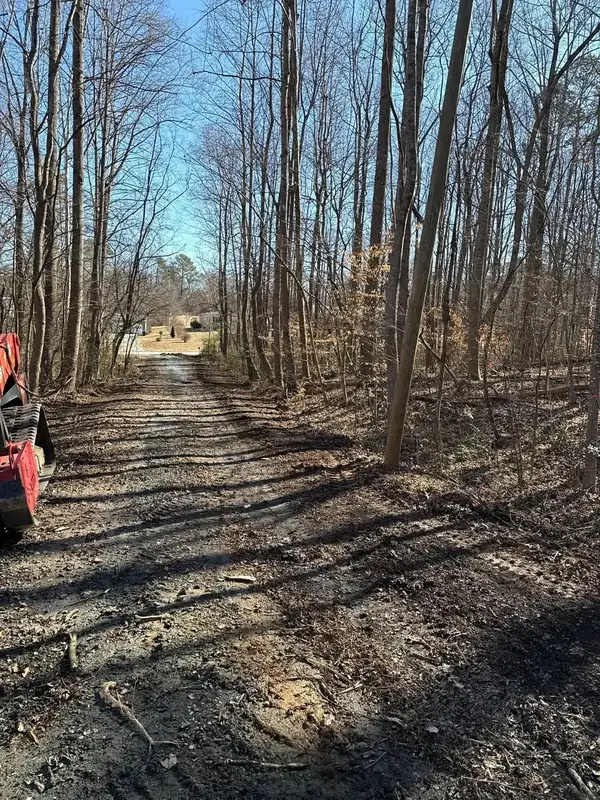
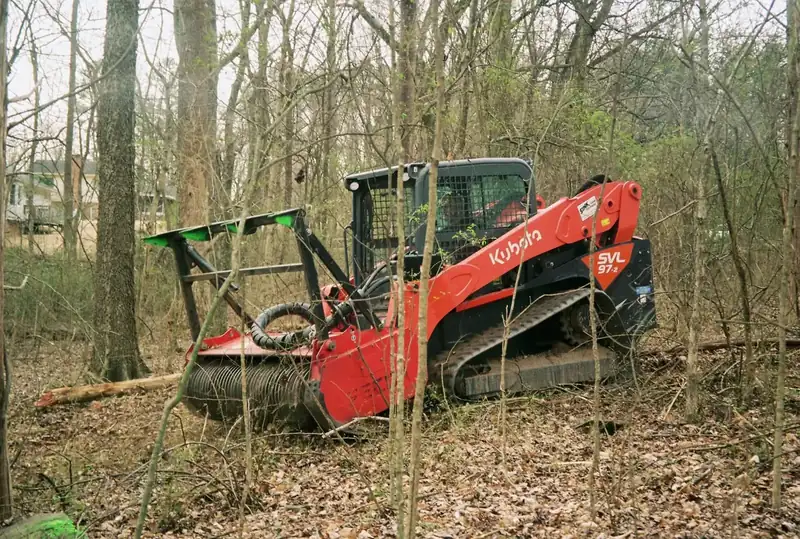
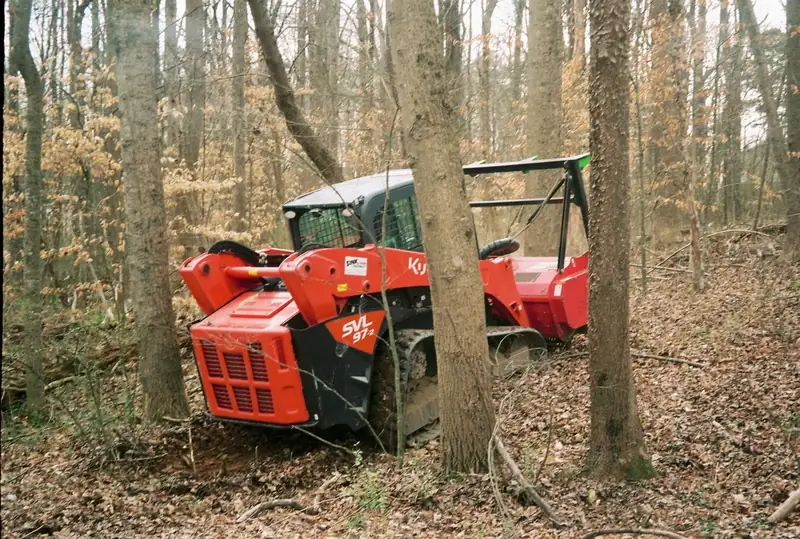
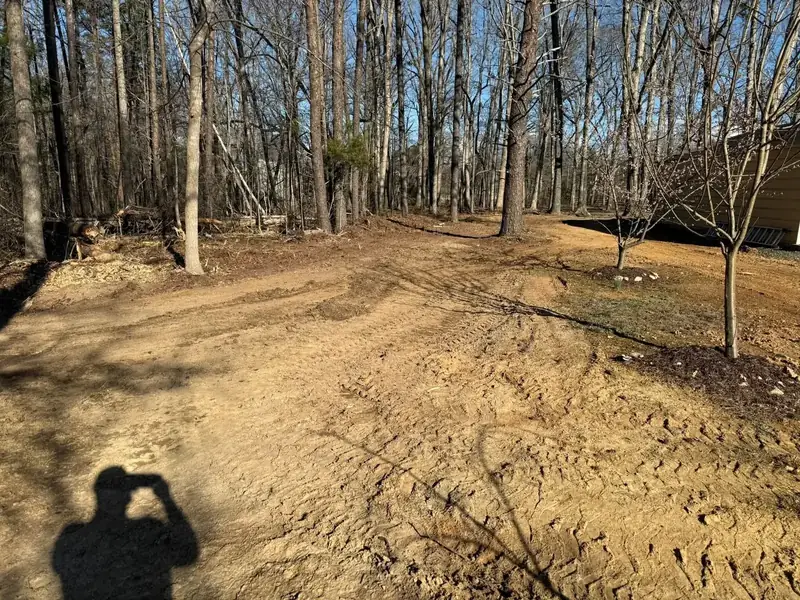
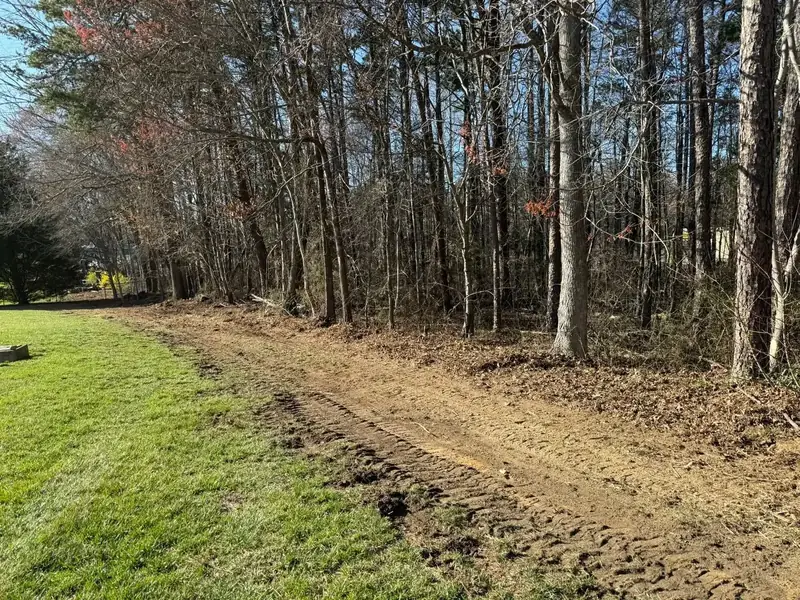
How driveway repair works on Piedmont ground
A gravel driveway fails from the top and from the bottom. From the top, tires push stone out of the wheel paths toward the edges and the middle, the crown goes flat, water pools in the wheel paths, and potholes and washboard form where it sits. From the bottom, water that should be running off the drive soaks into the clay base instead, the base softens, and stone starts sinking into it. Regrading fixes the top: the box blade cuts the surface loose, pulls the stone back into the wheel paths, cuts out the potholes and reshapes the crown. Regraveling fixes what's been lost to the edges and the clay.
Washouts and soft spots need more than a blade. A washout where a ditch overflowed or a culvert plugged has to be rebuilt — excavate the loose material, fix the drainage that caused it, backfill with compacted stone and re-establish the surface. A soft spot where the base has turned to mud gets dug out to firm ground, sometimes with fabric laid in, and rebuilt with ABC in compacted lifts. Patching either one by dumping gravel in the hole works until the next rain.
The drainage around the drive is usually the real problem. A ditch that has silted in, a culvert set too high, a crown that was never there — fix those and the driveway stops needing repairs every season. We look at the whole drive, from the road to the house, and the estimate covers what it actually takes to keep it from happening again. Annual or every-other-year regrading is cheap insurance on a driveway in red clay country, and we do a lot of it on a return basis for the same customers.
What the job looks like
Walk the drive
Potholes, ruts, washboard, soft spots, washouts, edges, crown, ditches and culvert — we look at all of it and figure out what's cosmetic and what's a drainage problem feeding the damage.
Estimate
Grading alone, grading plus stone, or sections that need rebuilding, each spelled out with a price. If the ditch or culvert is causing the problem, that's in the scope too.
Cut and reshape
The box blade scarifies the surface, cuts out the washboard and potholes, pulls stone back from the edges and middle, and reshapes the crown so water runs off. Soft spots and washouts get excavated and rebuilt.
Stone and finish
Fresh ABC or #57 spread where the surface is thin, graded into the existing stone, compacted by the machine. Ditches cleaned and entrance tied back into the road.
Best fit for
- Gravel driveways with potholes, washboard and ruts
- Drives that have gone flat and pool water in the wheel paths
- Washouts after heavy rain or a plugged culvert
- Soft spots where the clay is pumping up through the stone
- Driveways that haven't been graded in years and need a reset
- Entrances where the gravel keeps washing into the road
- Annual or every-other-year maintenance grading
What drives the price
We don't quote driveway repair from a chart. These are the things that move the number, and we'll walk through each one with you on site:
- Length of driveway being graded
- How much stone has to be added and what type
- Number and size of washouts or soft spots needing excavation
- Whether ditches and culverts need cleaning or repair
- Condition of the base — grading only vs. partial rebuild
- Access and turnaround space for the equipment
- Distance from Greensboro and the stone quarry
Equipment we bring
- Compact track loader with box blade and grading blade for scarifying, reshaping and crowning
- Mini excavator with thumb for washout and soft-spot rebuilds and culvert work
- Dozer blade attachment for pushing and spreading new stone
- Dump trailer for bringing in ABC or #57 stone
Driveway Repair questions
How much does it cost to regrade a gravel driveway?
Regrading alone is a few hours of machine time and is the cheapest thing you can do for a driveway. Add stone and the price goes up with the tonnage. Washouts and soft spots that need excavation and rebuilding are priced by the section. We quote after walking the drive and the estimate is free; most repairs are a single day.
How often should a gravel driveway be regraded?
In Piedmont clay with normal use, every one to two years keeps the crown and drainage working and the stone where it belongs. Driveways with heavy traffic, steep grades or drainage problems need it more often. Waiting until potholes are deep means more stone and more time, so earlier is cheaper.
Can you fix potholes in a gravel driveway?
Yes, but not by filling them. Filling a pothole with loose gravel lasts until the next rain. We cut the surface loose around the hole, pull material back into it, reshape the crown so water doesn't pond there and compact it. If the hole is from a soft spot in the base, we dig it out and rebuild it with compacted stone.
Why does my driveway wash out every time it rains hard?
Water is running down the drive instead of off it. Either the crown is gone, the ditch alongside is full, the culvert is plugged or undersized, or the drive is steep enough that water builds speed on it. We fix the drainage first — crown, ditch, pipe — and then rebuild the washed section. Fixing the washout without fixing the water just schedules the next one.
What's the best gravel to add to an existing driveway?
ABC crushed stone, the same crusher-run base material the drive should have been built with. It packs into the existing surface and locks together. #57 looks cleaner on top but stays loose and migrates. If your drive is already #57, we'll usually recommend a layer of ABC worked in to firm it up before any more #57 goes on.
Do you do driveway maintenance on a regular basis?
We do. A good share of our driveway work is return customers who have us grade and top-dress the drive every year or two. It's a short visit, it keeps the driveway from ever needing a rebuild, and we can usually schedule it around other work in your area.