
Every rural property in the Piedmont has a pile somewhere. The brush from the last time somebody cleared the fence row. The logs from the oak that came down three winters ago. The slash left behind by a logging crew. The heap of limbs behind the barn that was going to get burned and never did. Debris removal is the job of making those go away — mulched into the ground, piled where they can be burned properly, or loaded on the trailer and gone.
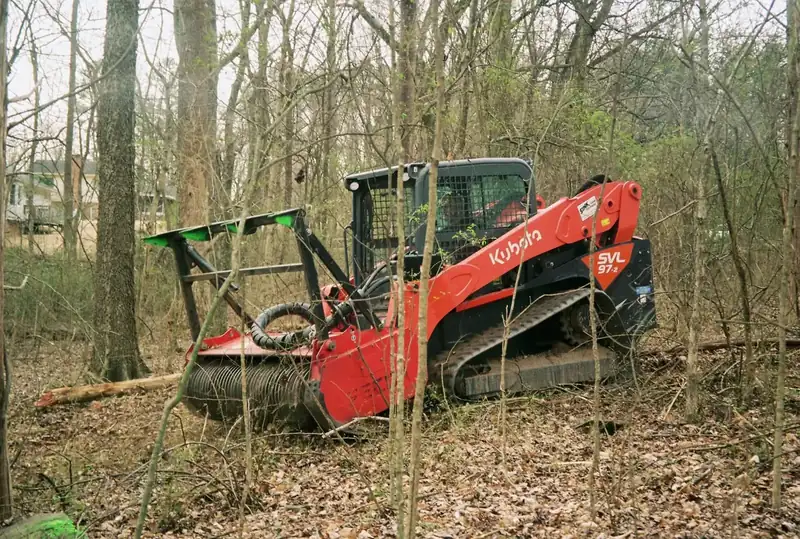
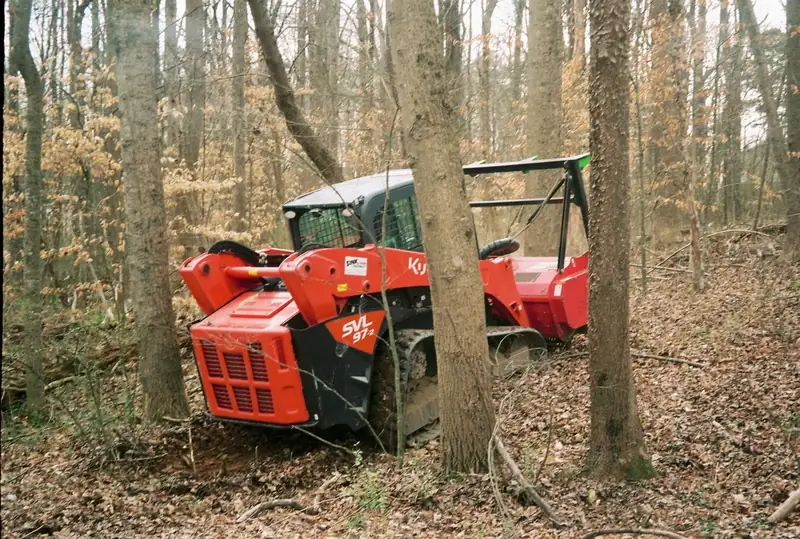
We handle brush, log and yard debris across the Triad with a grapple on the track loader, a forestry mulcher and a dump trailer. The grapple picks up what a crew would spend a day dragging. The mulcher turns brush, tops and small trees into chips on the spot, which is usually faster and cheaper than hauling. The trailer takes what has to leave. We also clear the overgrowth around old piles and fence rows so the whole area comes back clean, not just the pile.
Clark is a veteran and a working firefighter, and he runs the equipment himself. He'll look at what you've got, tell you whether it's a mulch job, a grapple-and-pile job or a haul job, and give you a free written estimate. Most debris jobs are a half day to a day, and the difference afterward is the kind you notice from the road.
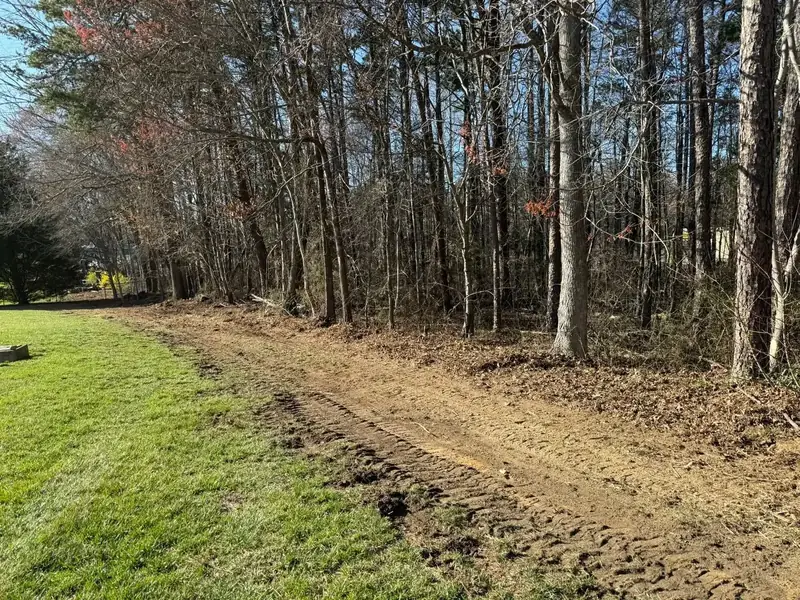
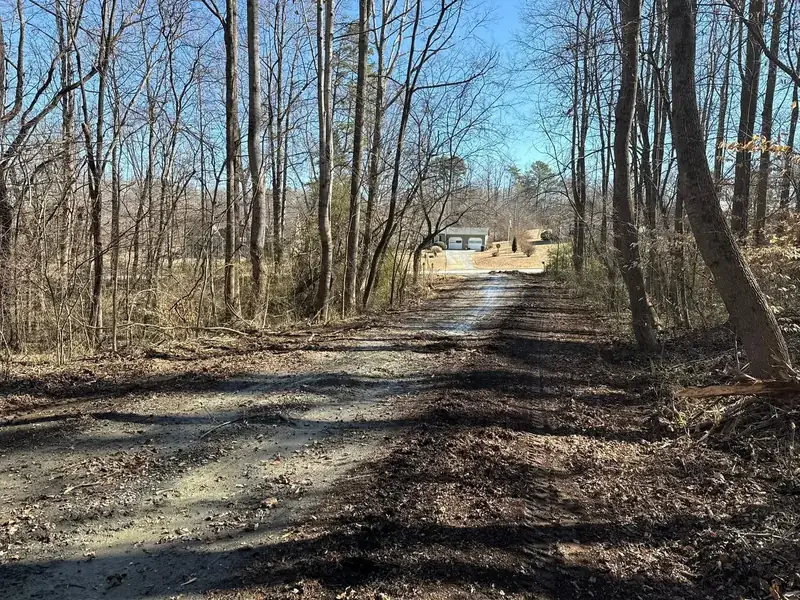
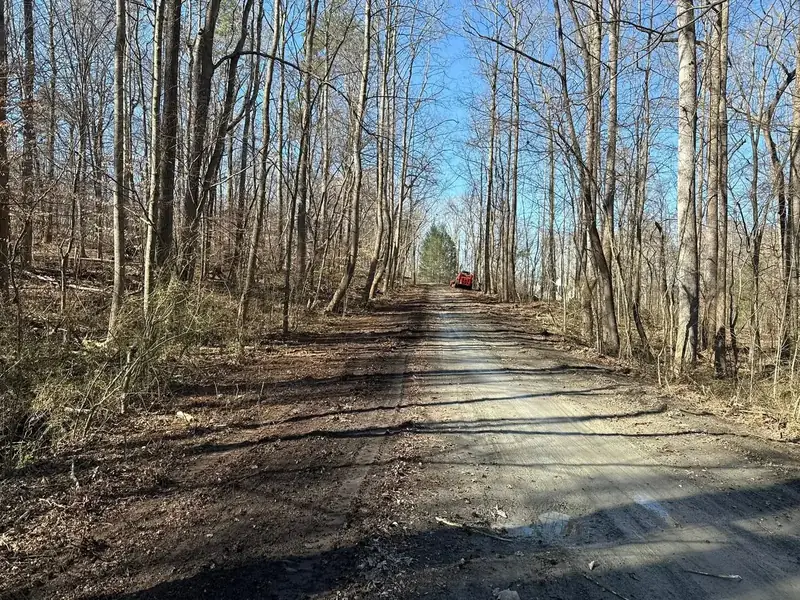
How debris removal works on Piedmont ground
Debris on a property falls into a few categories and each one gets handled differently. Brush, limbs, tops and saplings — anything up to several inches in diameter — mulches cleanly with the forestry head, whether it's standing or already in a pile. We spread the pile out with the grapple and run the mulcher through it, and what was a ten-foot heap becomes a layer of chips. Logs and larger wood don't mulch well; those get grappled into a tight pile for burning, stacked for firewood, loaded for haul-off or, if there's enough, piled at the road for a timber or firewood buyer.
Old piles are their own problem. A brush pile that's been sitting for years has settled, rotted in the middle and filled with vines, and often has dirt, roots and junk mixed in. We pull it apart with the grapple, mulch what mulches, separate what has to be hauled and rake the ground underneath. Logging slash — the tops and limbs a timber crew leaves — is usually spread across the whole cut and is best handled by mulching it in place, which also knocks down the regrowth that comes up through it.
Hauling is the last resort because it's the most expensive, but sometimes it's the only answer: small lots with nowhere to pile, construction debris mixed in, material you can't burn in town, or an HOA that doesn't want a burn pile. The dump trailer handles those loads and we'll tell you up front how many trips it'll take. Where burning is the plan, we build the pile tight and clean with the grapple, away from structures and overhead lines, and leave the burn to you with the county's open burning rules in mind. We don't burn for customers.
What the job looks like
Look at what's there
We check the size and type of debris, what's mixed into it, where it sits relative to access, and what you want the area to look like after. Photos ahead of time help us plan the right equipment.
Estimate
Mulch, pile, stack or haul — each priced so you can choose. If the area around the debris needs clearing too, that's in the scope.
Separate and process
The grapple pulls piles apart and sorts logs from brush. Brush gets mulched; logs get piled, stacked or loaded. Junk gets set aside for the trailer.
Clean the ground
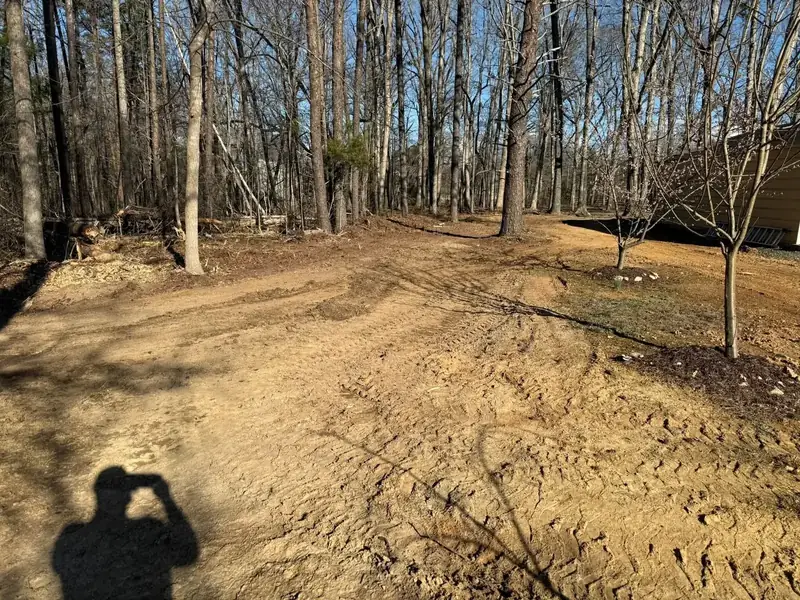
Root rake and blade over the area so what's left is a clean surface — mulch layer or bare ground — instead of a flattened pile. Ruts repaired on the way out.
Best fit for
- Brush piles left from clearing, pruning or storm cleanup
- Logs and timber from downed or felled trees
- Logging slash across a recent timber cut
- Old, settled piles grown up in vines and saplings
- Overgrown fence rows and property edges full of dead material
- Lots that need to be cleaned up before listing or building
- Debris that can't be burned and has to be hauled
What drives the price
We don't quote debris removal from a chart. These are the things that move the number, and we'll walk through each one with you on site:
- Volume of debris and how much of it is log versus brush
- Mulch in place versus pile for burning versus haul-off
- Whether the pile is clean wood or mixed with dirt, roots and junk
- Number of trailer loads if hauling
- Clearing needed around the pile to reach it and clean the area
- Access for equipment and ground conditions
- Distance from Greensboro
Equipment we bring
- Compact track loader with hydraulic grapple for piles, logs and sorting
- High-flow forestry mulcher for brush, tops and small trees
- Root rake for cleaning the ground under and around piles
- Dump trailer for haul-off
Debris Removal questions
How much does brush and debris removal cost?
The biggest factor is what happens to the material. Mulching brush on site is the least expensive because nothing leaves and nothing gets handled twice. Piling and stacking is in the middle. Hauling is the most expensive because it's trailer loads and dump fees. A single pile is a short job; a lot full of logging slash is a day or more. We quote after seeing it, free, and we'll show you the price for each option.
Can you mulch a brush pile instead of hauling it?
Yes, and for most piles it's the best answer. We spread the pile out with the grapple and run the forestry mulcher through it. Limbs, tops and saplings turn into chips that stay on the ground. Logs bigger than several inches don't mulch efficiently; those get grappled into a separate pile or hauled.
Do you burn brush piles?
No. We'll build a tight, clean pile with the grapple in a spot that's safe to burn — away from structures, trees and overhead lines — and leave the burning to you under your county's open burning rules. Many of our customers choose mulching instead because it avoids the burn permit and the waiting.
Can you clean up logging slash after a timber sale?
Yes. Logging crews leave tops and limbs across the cut, and within a couple of seasons it's buried in sweetgum and briars. Mulching the slash in place is the standard fix — it turns the mess into a mulch layer and knocks the regrowth back at the same time. If you want the land in pasture or planted, we can rake and grade it afterward.
What about old piles with dirt and junk mixed in?
We pull them apart with the grapple and sort as we go. Clean wood gets mulched or piled, dirt and roots get spread or raked out, and anything that's actually trash goes on the trailer. It takes longer than a clean pile, which is why we like to see photos or the pile itself before we quote.
What areas do you serve?
We're out of Greensboro and we cover the Triad plus about an hour and twenty minutes in every direction — the Virginia line to the north, Mount Airy and Elkin to the west, Salisbury, Albemarle and Sanford to the south, and Durham, Chapel Hill and Raleigh to the east.