

Hunting land in the Piedmont needs work to hunt well. A tract that's grown into a solid pine thicket holds deer but gives you nowhere to see them. Food plots that were cleared ten years ago have closed in. The trail to the stand runs through the bedding cover and blows every deer out before daylight. Hunting land management is the mulching and clearing work that fixes those things — shooting lanes cut, plots opened and prepped, access trails routed with the wind in mind, and edge cover shaped so the property hunts the way you want it to.
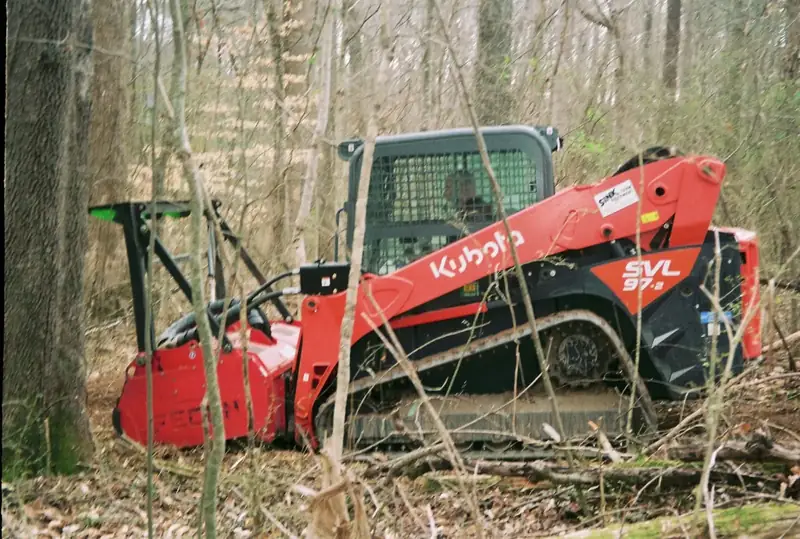
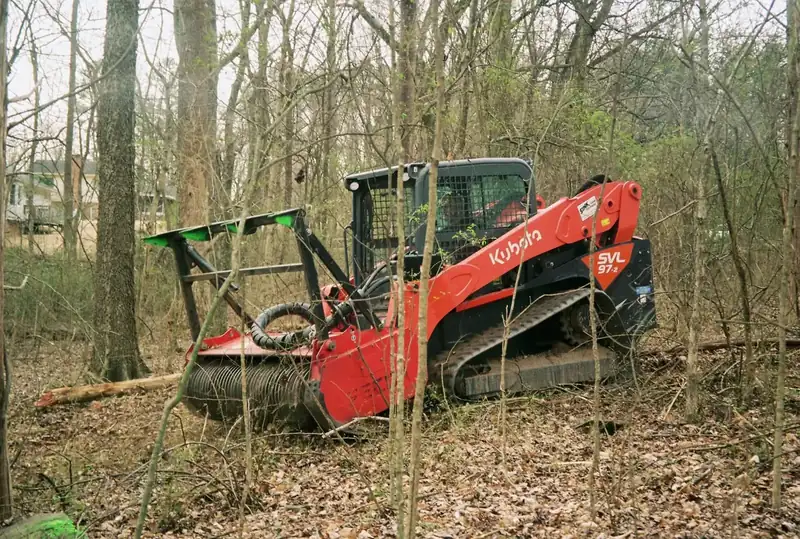
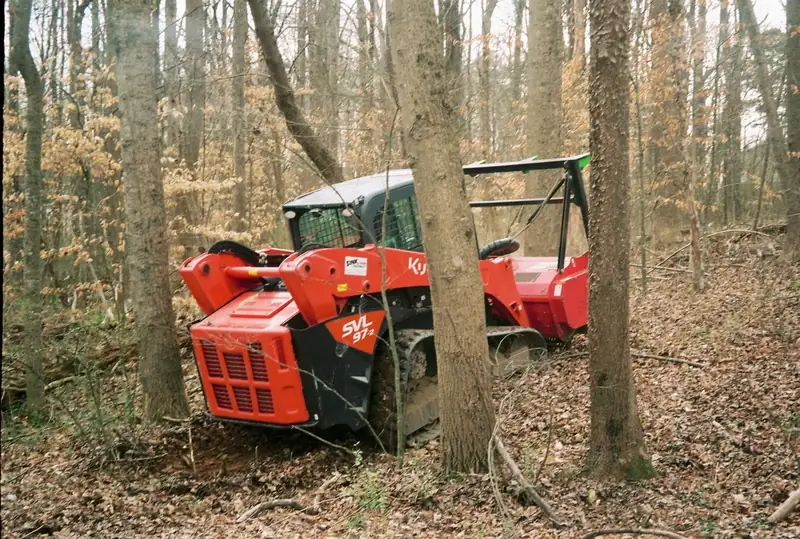
We do this work with a forestry mulcher, and the timing matters. Late winter and early spring, after the season closes and before green-up, is when we can see the ground, the deer have moved to their spring pattern, and a plot cleared now has a full growing season to settle before you plant in late summer. Shooting lanes cut in August are fresh and obvious; cut in March, they look like part of the woods by opening day. We'll help you work the calendar.
Clark runs the machine and hunts himself. He's a veteran and a working firefighter, and he knows the difference between clearing that looks good on an aerial and clearing that actually puts deer in front of a stand. Walk-throughs are free, and they're best done with your stand locations and a map of how the deer move.
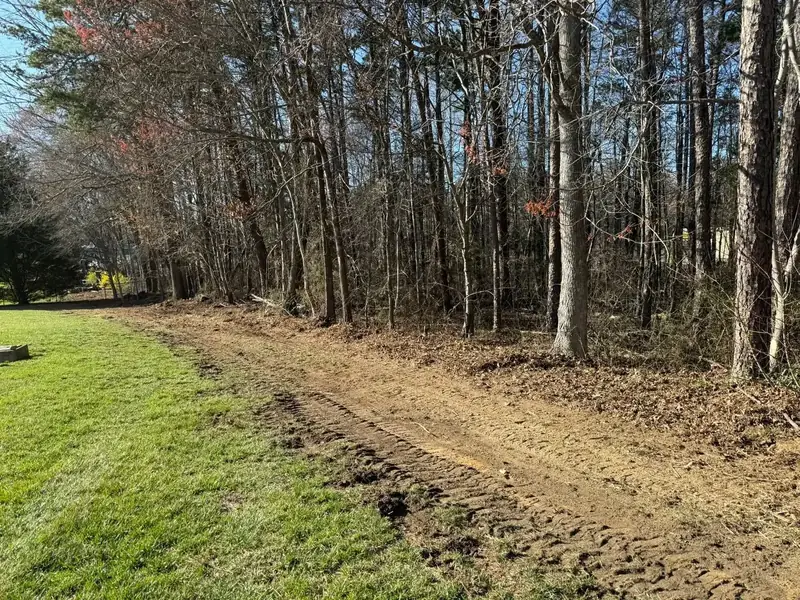
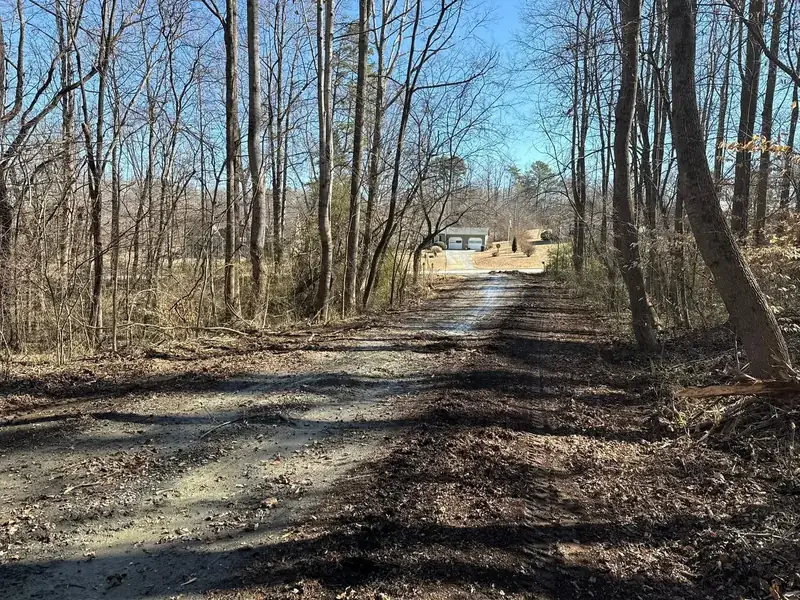
How hunting land prep works on Piedmont ground
Shooting lanes are the core of it. From a stand or a blind, we mulch lanes through the brush at the heights and angles you need — usually three to five lanes per stand, wide enough to see and shoot through but narrow enough that the deer don't treat them as an opening. On a rifle stand overlooking a bottom that might mean a lane three hundred yards long down a creek edge. On a bow stand it's a few tight windows at twenty yards. The mulcher leaves the lane floored with chips instead of brush, so you can walk it quiet and see down it clean.
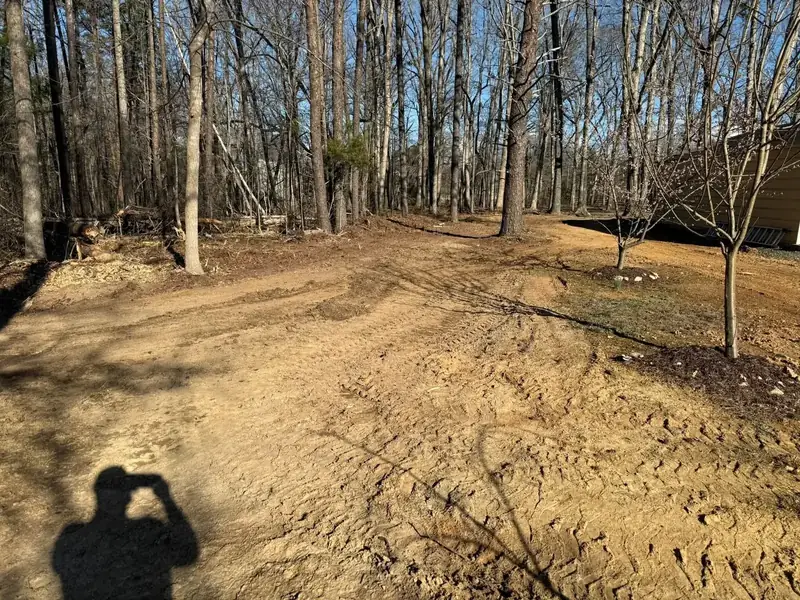
Food plots in the Piedmont are a fight with clay, acidity and regrowth. We clear the plot to grade with the mulcher, pull the stumps if you'll be discing, and shape it for the stand — long and narrow along a line of travel, or a kidney shape with the approach hidden behind a screen of cover. The mulch layer breaks down into organic matter, which the clay badly needs, and we can rough grade the plot so water doesn't pool. Lime and planting are yours; we'll leave the ground ready for it. Plots over an acre that involve moving dirt can trip NC erosion rules, and we'll say so.
Access and edges are what most tracts are missing. A trail to the stand that comes in from the downwind side, stays out of the bedding thicket, and is quiet underfoot changes how the property hunts more than any plot. Edge work — mulching a strip along a pine stand to thicken the regrowth into bedding cover, or opening a hardwood bottom so deer stage in it — shapes where the deer want to be. We lay this out on the walk with your map and build it in the same trip as the lanes and plots.
What the job looks like
Walk it with your map
We go through the tract with you and your stand locations, travel corridors and plot sites. Where the deer bed, where they feed, and where the wind comes from on your best days all shape the plan.
Lay out lanes, plots and access
Lanes get flagged from each stand. Plots get shaped and staked. Access trails get routed downwind and away from bedding. We talk through what to cut now versus what to leave as cover.
Estimate and timing
A written scope and price by the job, with a schedule that works with the hunting calendar — late winter and spring for most work, early fall for a final lane trim if you want it.
Mulch and shape
The mulcher cuts the lanes, opens the plots and clears the trails, working around the cover you want left. Stumps in the plots get cut flush or pulled if you'll be discing. Edges get shaped to thicken or open as planned.
Walk the stands
We sit each stand with you and check the lanes from the seat, not from the ground. Anything that needs a limb cut or a lane widened gets done before we load up.
Best fit for
- Deer hunting tracts that have grown into solid pine or sweetgum
- Rifle and bow stands that need lanes cut or reopened
- New and reclaimed food plots on hunting leases and family land
- Stand access trails routed for wind and quiet
- Turkey hunting ground that needs openings and strutting areas
- Edge and bedding cover work on managed tracts
- Hunting clubs preparing multiple stands before the season
What drives the price
We don't quote hunting land prep from a chart. These are the things that move the number, and we'll walk through each one with you on site:
- Number of stands and the total length of lanes being cut
- Food plot acreage and whether stumps come out for discing
- Length and routing difficulty of access trails
- Growth density — pine thicket versus open hardwoods
- Edge and bedding work beyond the lanes and plots
- Creek crossings on access routes
- Timing — a tight pre-season window versus a flexible spring schedule
Equipment we bring
- Compact track loader with a high-flow forestry mulching head
- Brush cutter / rotary mower attachment for lane maintenance and plot mowing
- Grapple for trees dropped out of a lane or plot
- Root rake and stump bucket for plots that will be disced
- Grading blade and box blade for shaping and draining plots
- Auger for stand posts, gate posts and blind footings
Hunting Land Prep questions
How much does it cost to clear a food plot?
A plot cleared to mulch with the stumps cut flush is the most economical — a half-acre to an acre is a short day. Pulling stumps for a plot you'll disc, rough grading it, and cutting lanes and access to go with it adds up from there. We walk the tract, lay out the whole plan, and give a written number. Most hunting clients get the lanes, plots and trails quoted together because it's one mobilization.
When is the best time to cut shooting lanes in NC?
Late winter through spring, after the season closes. The lanes have months to blend in before opening day, the deer aren't being pressured, and you can see the ground to lay them out. If you want a fresh trim before the season, early September is the latest we'd suggest — any closer to opening and you're putting fresh disturbance right where you'll be hunting.
How wide should a shooting lane be?
For a rifle stand overlooking a bottom or an edge, eight to twelve feet gives you a clean view without turning the lane into a highway the deer avoid. For a bow stand it's smaller windows — a few feet at twenty to thirty yards. We cut from the seat's perspective and check each lane from the stand before we leave.
Do you remove stumps from food plots?
If you're going to disc or drill the plot, yes — stumps catch equipment and cost you a disc blade. We cut them flush with the mulcher or pull them with the excavator depending on the size. If you're going to broadcast seed and drag, mulched stumps at grade are usually fine and cost less.
Can you clear plots and lanes on leased land?
Yes, with the landowner's permission. Most leases allow lanes and plots but not timber removal, so we work within the mulcher's range and don't fell marketable trees without the owner's say-so. Bring the lease language or the owner's contact and we'll make sure the scope fits it.
What areas do you work hunting land in?
Greensboro and about an hour and twenty minutes out — the Triad, north into Rockingham and Stokes to the Virginia line, west to Mount Airy and Elkin, south to Salisbury, Albemarle and Sanford, and east to Durham, Chapel Hill and Raleigh. A lot of our hunting work is in the rural counties on that ring.